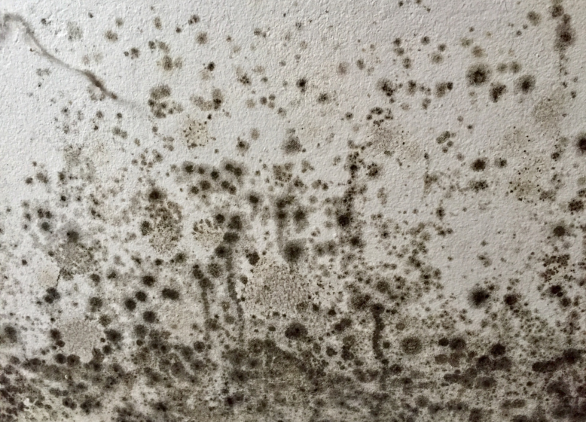


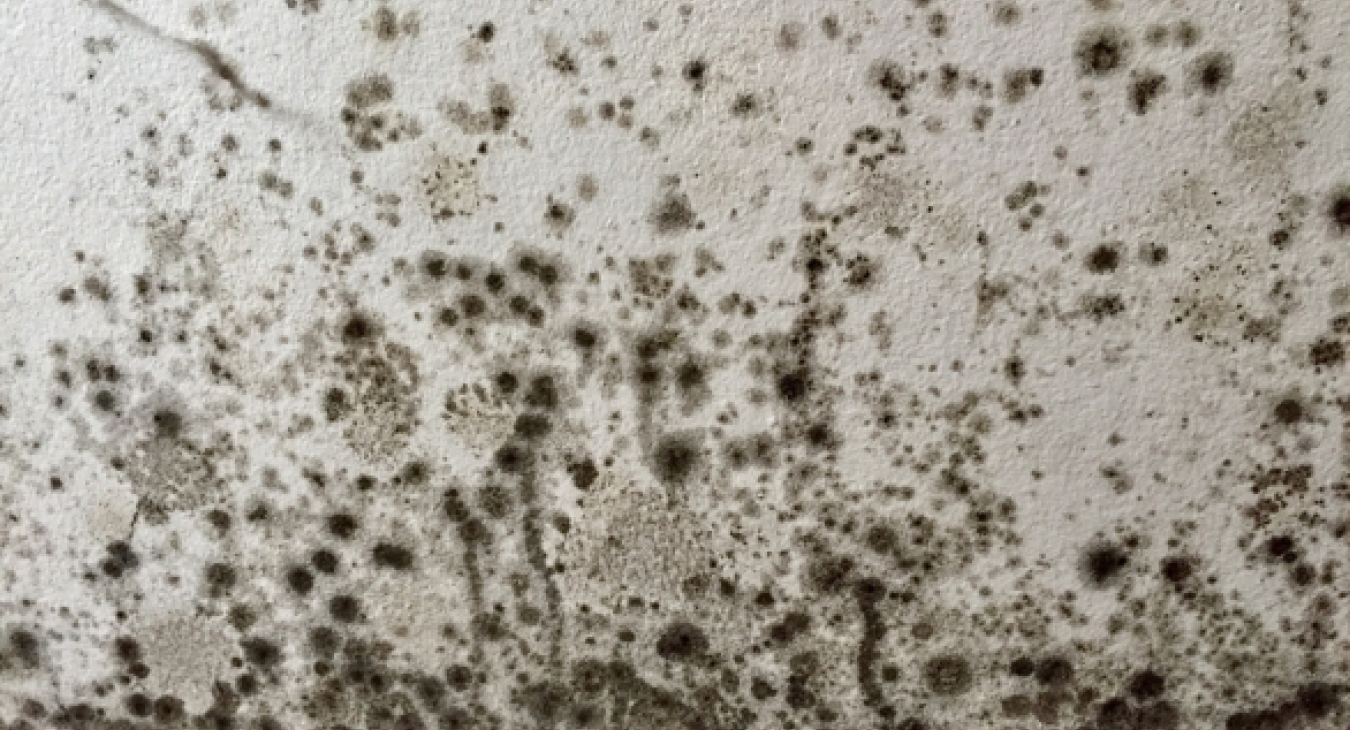
If you’ve cleaned mould off your bathroom ceiling more than once, you’re not alone.
It’s one of the most common issues homeowners deal with across Bradford and the surrounding areas.
You scrub it off.
You repaint the ceiling.
You spray it with mould remover.
You might even buy a dehumidifier.
And for a while… it looks better.
Then a few weeks or months later, the black marks return. The musty smell creeps back in. Paint starts peeling again.
So why don’t most bathroom mould fixes actually work?
Back to top1) The Real Problem: Treating the Symptom, Not the Cause
Most quick fixes deal with what you can see.
- Mould spray kills surface growth
- Anti-mould paint covers stains
- A dehumidifier reduces moisture temporarily
But none of these fix the underlying issue: trapped humidity that isn’t being removed properly.
Mould grows because warm, damp air settles on cold surfaces. If that moisture isn’t cleared quickly enough, it builds up day after day.
Until airflow improves, the mould will return.
Back to top2) Why Cleaning Isn’t Enough
Bathrooms produce a huge amount of moisture in a short space of time.
Hot showers, baths and even running hot taps all release humidity into the air. If that damp air lingers, it settles on ceilings, walls, grout and silicone.
This is why you often see:
- Mould on bathroom ceilings
- Peeling paint in the corners
- Damp patches above showers
- Condensation on windows every morning
You can clean the surface — but if the air isn’t being cleared properly, the conditions for mould are still there.
Back to top3) Common Reasons Mould Keeps Returning
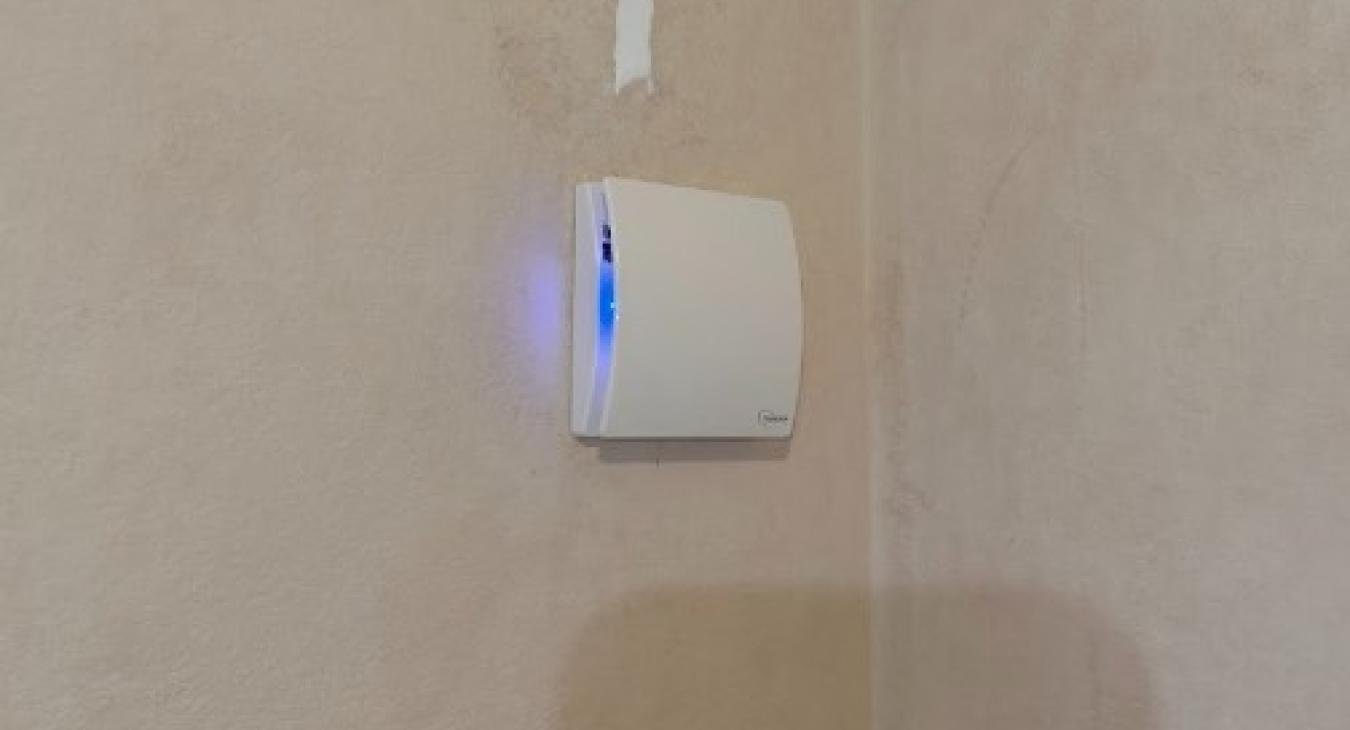
As an extractor fan specialist working in Bradford, I regularly see the same underlying problems:
- There is no extractor fan installed at all
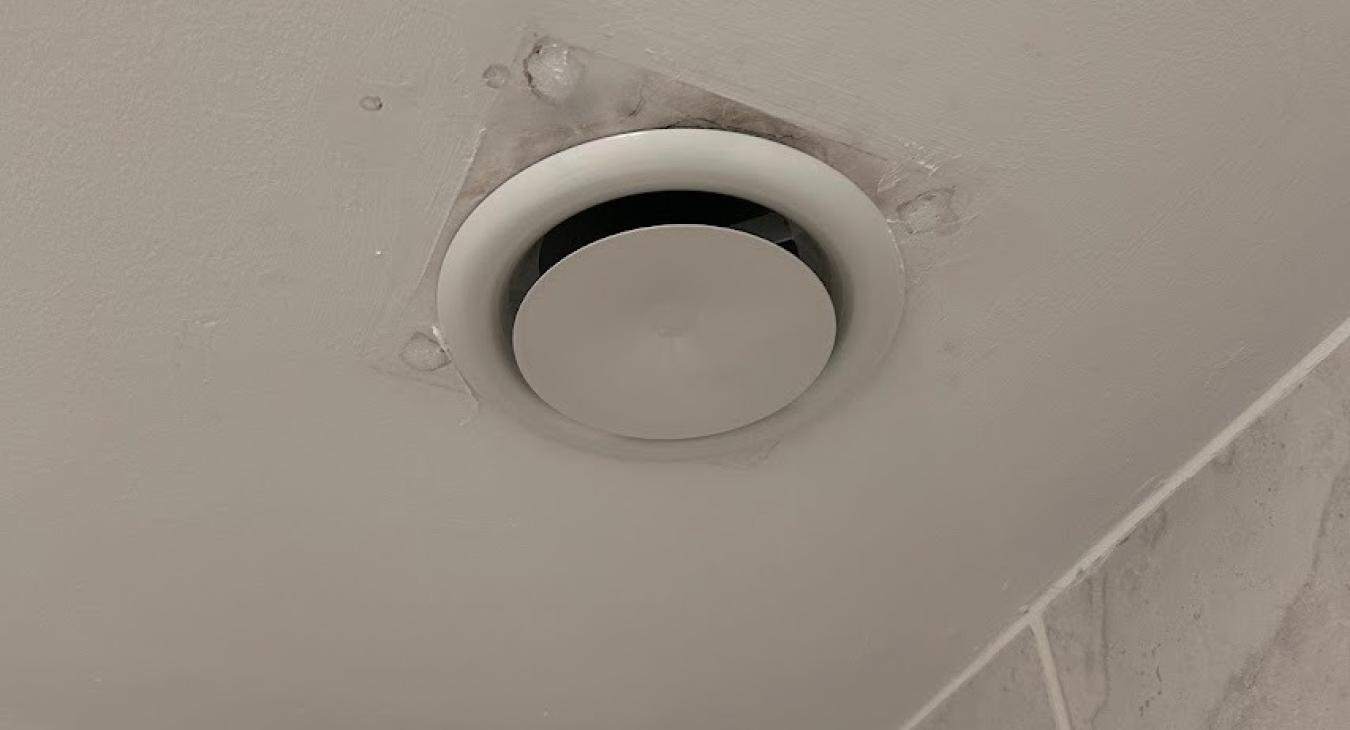
- Air vents have been blocked or covered, leaving nowhere for moisture to escape
- The fan switches off too quickly after a shower
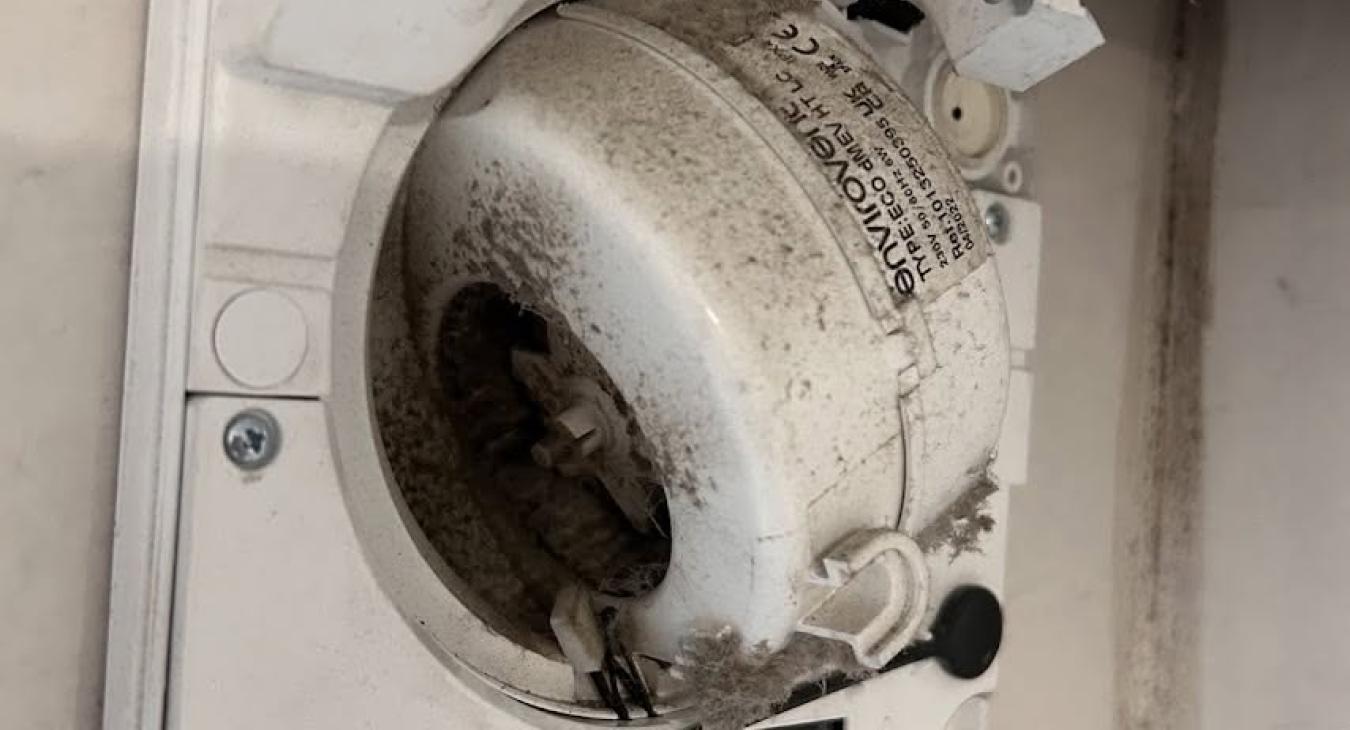
- The airflow is weak
- A cheap or unsuitable fan has been fitted that isn’t powerful enough for the layout
- Ducting in the loft is long, sagging or poorly installed
- Pipework isn’t insulated, allowing condensation to build up inside it
Individually, these might not seem major.
But together, they reduce the system’s ability to remove moisture effectively.
That’s when mould becomes a recurring issue rather than a one-off problem.
Back to top4) What Actually Works
A proper solution doesn’t just swap one part and hope for the best.
It looks at how the ventilation system works as a whole.
That usually means:
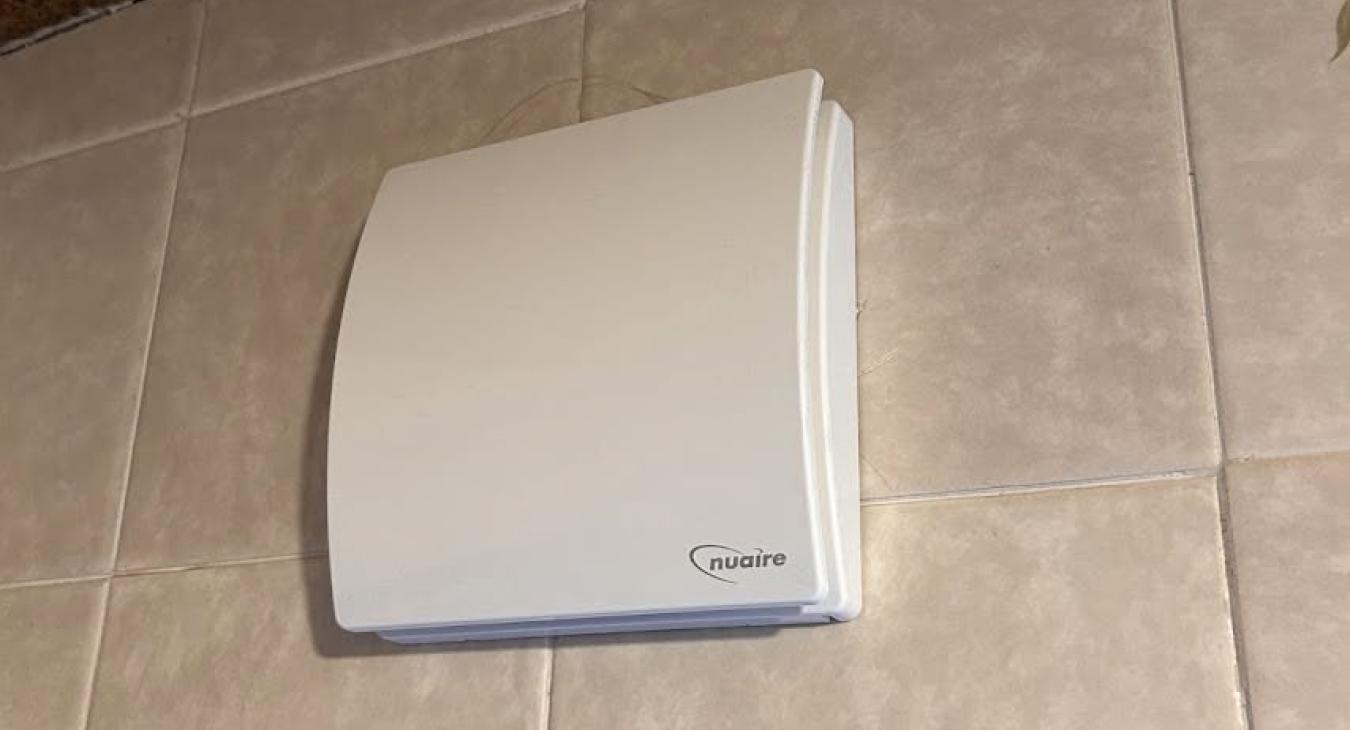
- A fan suited to the size and layout of the bathroom
- Enough airflow to properly remove steam after showers
- Correctly installed ducting that vents outside
- An adequately heated bathroom to help prevent moisture settling on cold surfaces
When everything works together, moisture is removed before it has the chance to settle.
That’s why a proper fix feels different to temporary measures.
Instead of constantly reacting to mould, the environment that causes it is removed.
Back to top5) Not Sure What’s Causing It in Your Home?
Every property is slightly different. Some homes simply need better airflow. Others have installation issues that have been there for years.
Rather than guessing, I’ve created a simple 7-minute checklist that helps homeowners quickly identify where their mould and condensation problems may be coming from.
It walks you through:
- Basic bathroom checks
- Extractor fan performance
- Loft insulation
- Ducting and pipework
It’s written in plain English and helps you understand what your answers usually mean.
If you’re tired of scrubbing mould or repainting ceilings, it’s a sensible place to start.
Back to top