
1) Positive Input Ventilation (PIV) Installation – Birkenshaw
1.0.1) Clearing the Air in a Birkenshaw Home
This job in Birkenshaw started out as a straightforward electrical safety inspection for a fuse board replacement, but it quickly turned into something much more unusual. While testing the socket circuit, I came across a fault that didn’t make sense at first. When I opened one of the bedroom sockets, the cause became clear — the metal back box was heavily rusted, damp and the cables were pressed up against it.
This wasn’t due to rising damp or water coming through the walls. It was condensation. Because the property had such limited air movement, moisture in the air had nowhere to escape. Instead, it clung to the coldest surfaces in the room — and surprisingly, those cold spots were the metal back boxes hidden inside the walls.
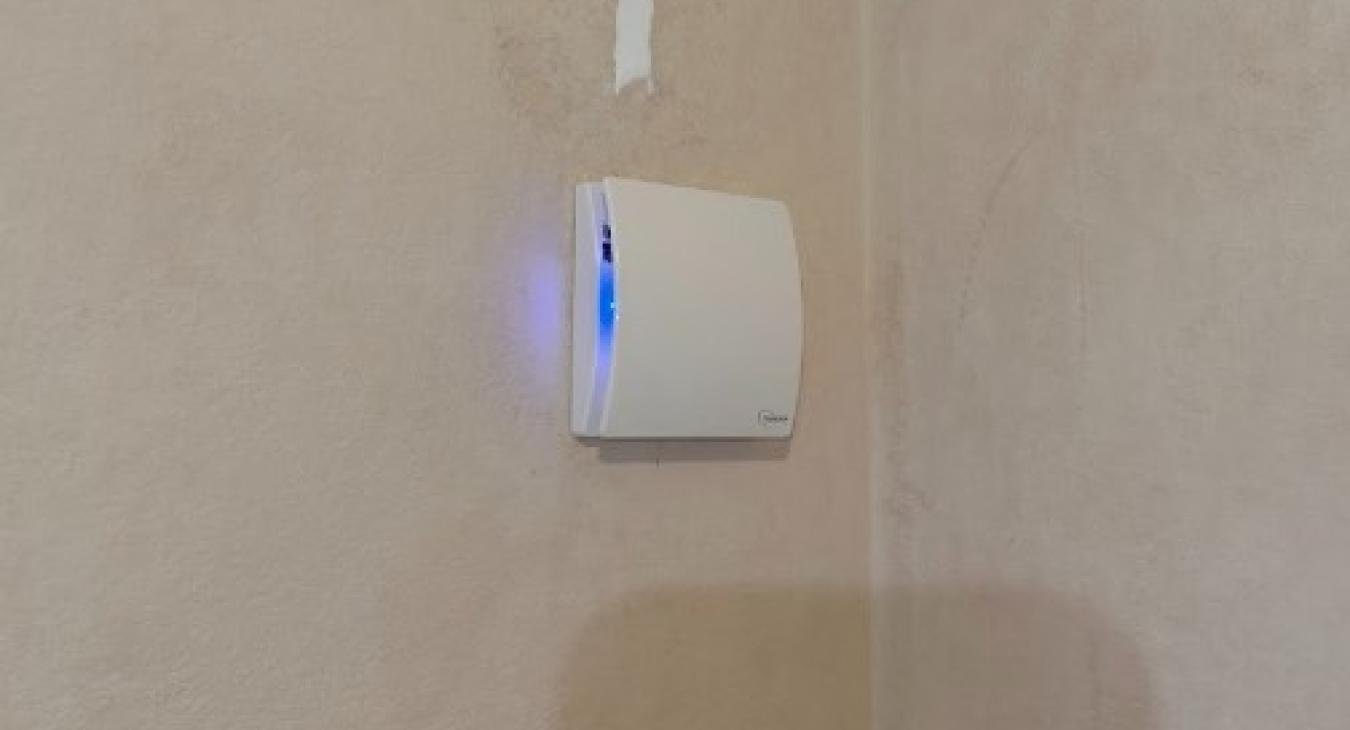
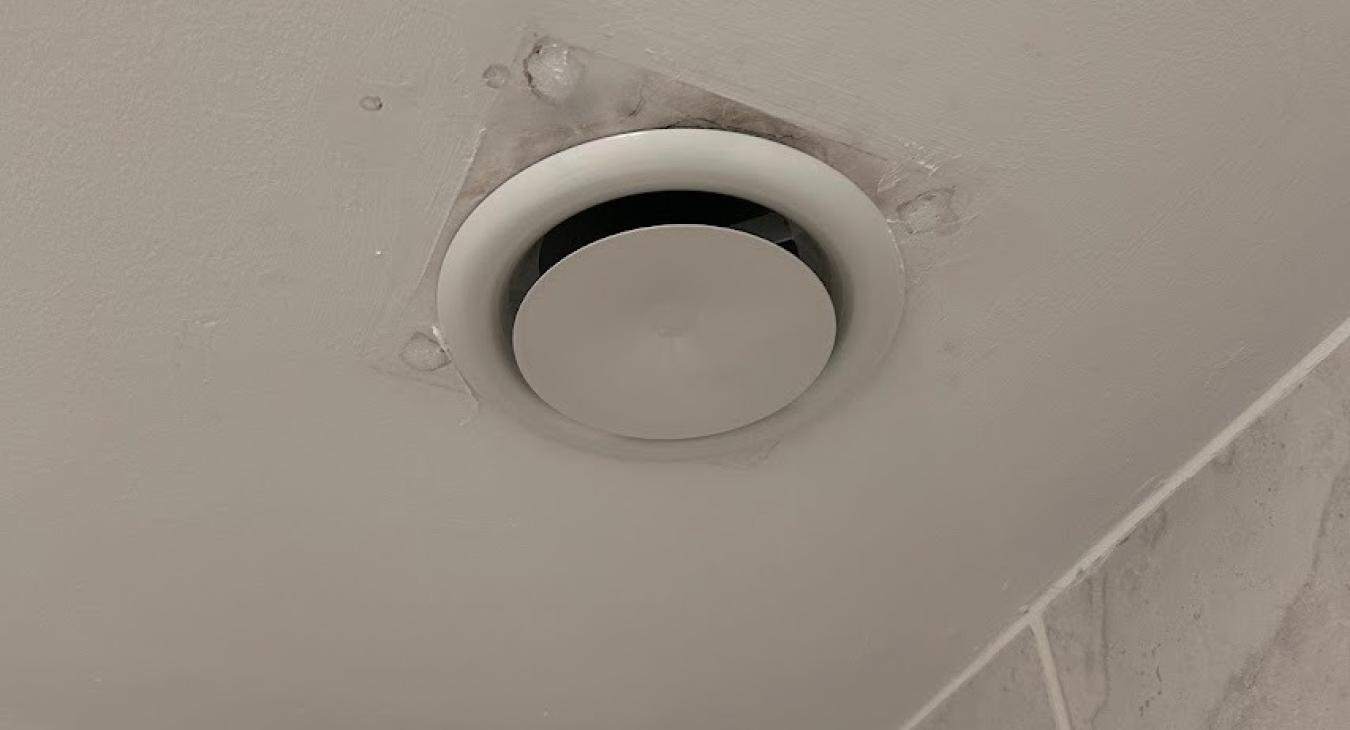
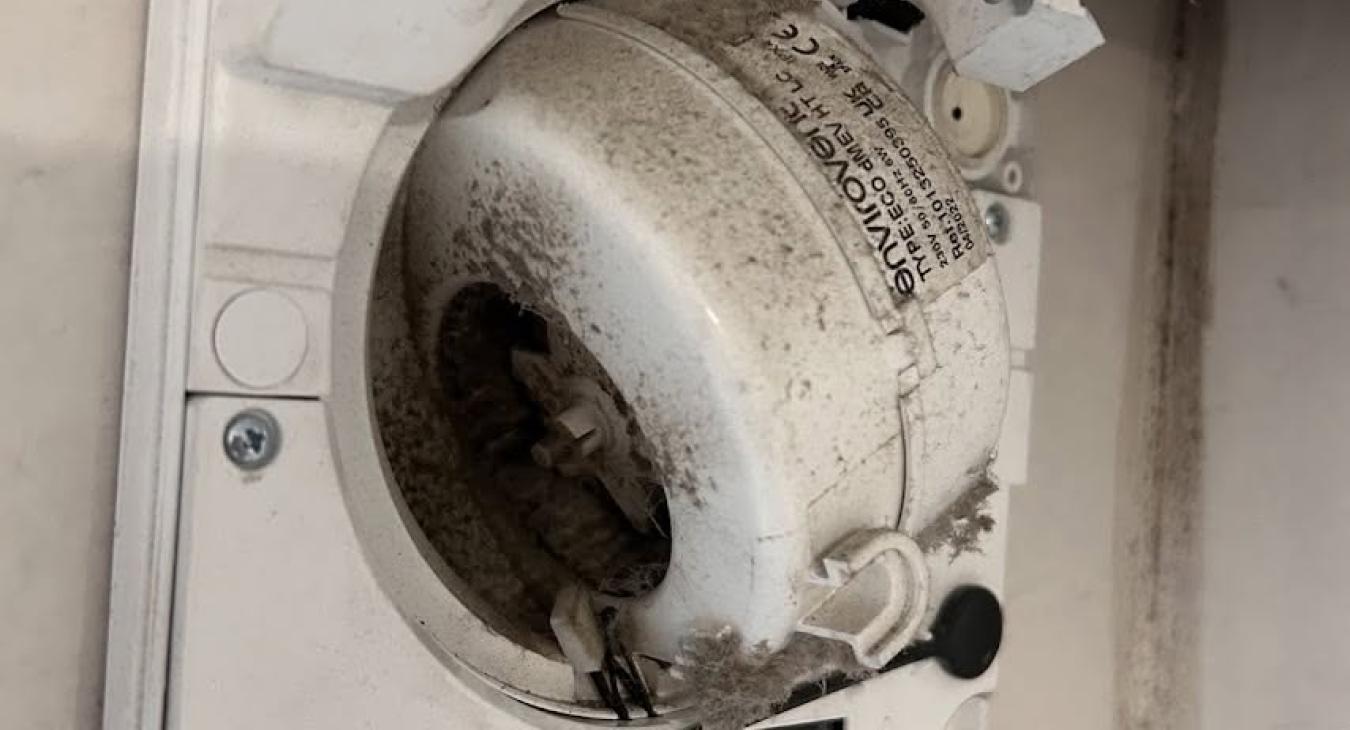
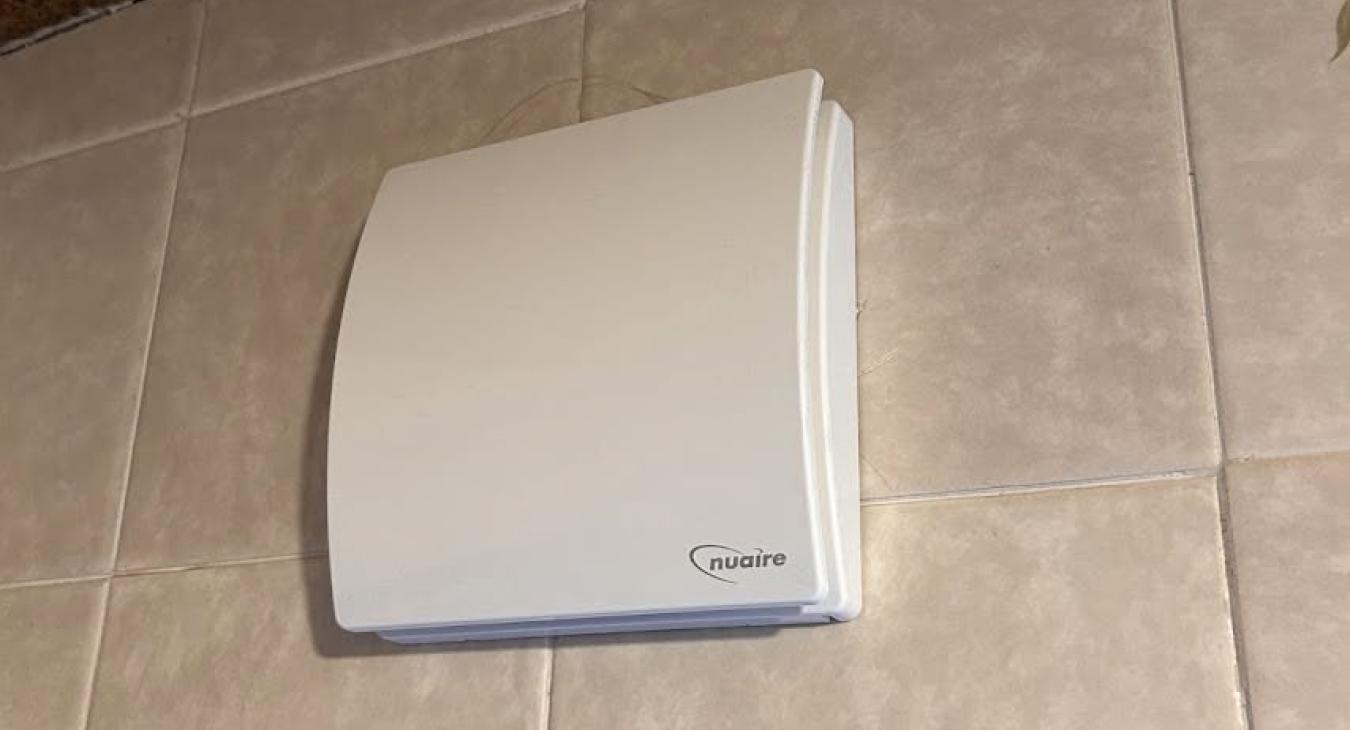
To resolve this properly, I put together a two‑part approach: improve extraction and improve fresh air supply. We added an extractor fan in the bathroom, but the main fix — the one that made the biggest difference — was installing a Positive Input Ventilation (PIV) unit.
Back to top2) Why a PIV Unit Was the Perfect Solution
A PIV system is one of the most effective ways to deal with whole‑house condensation, especially in homes that struggle with air circulation.
Here’s the simple version:
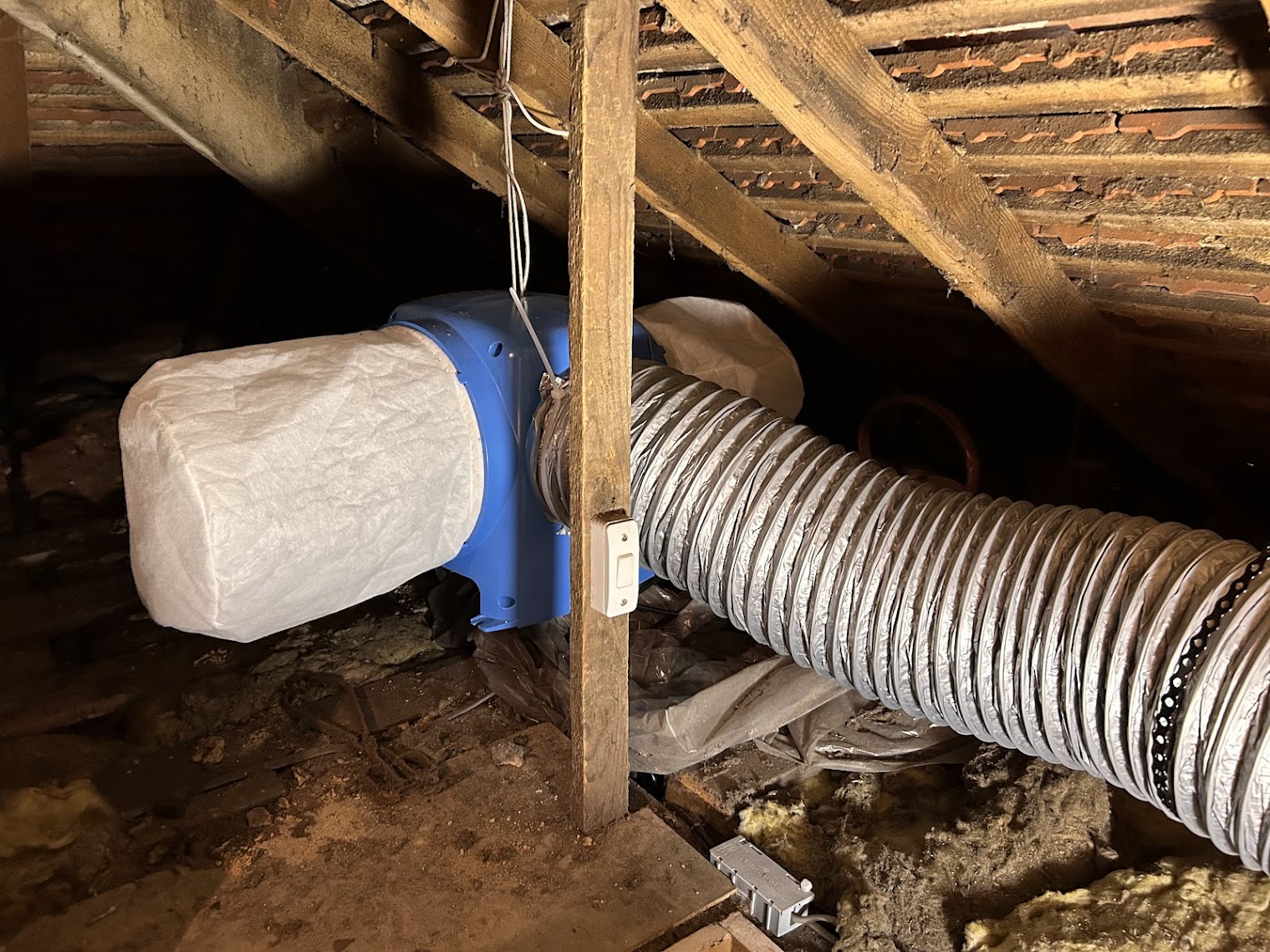
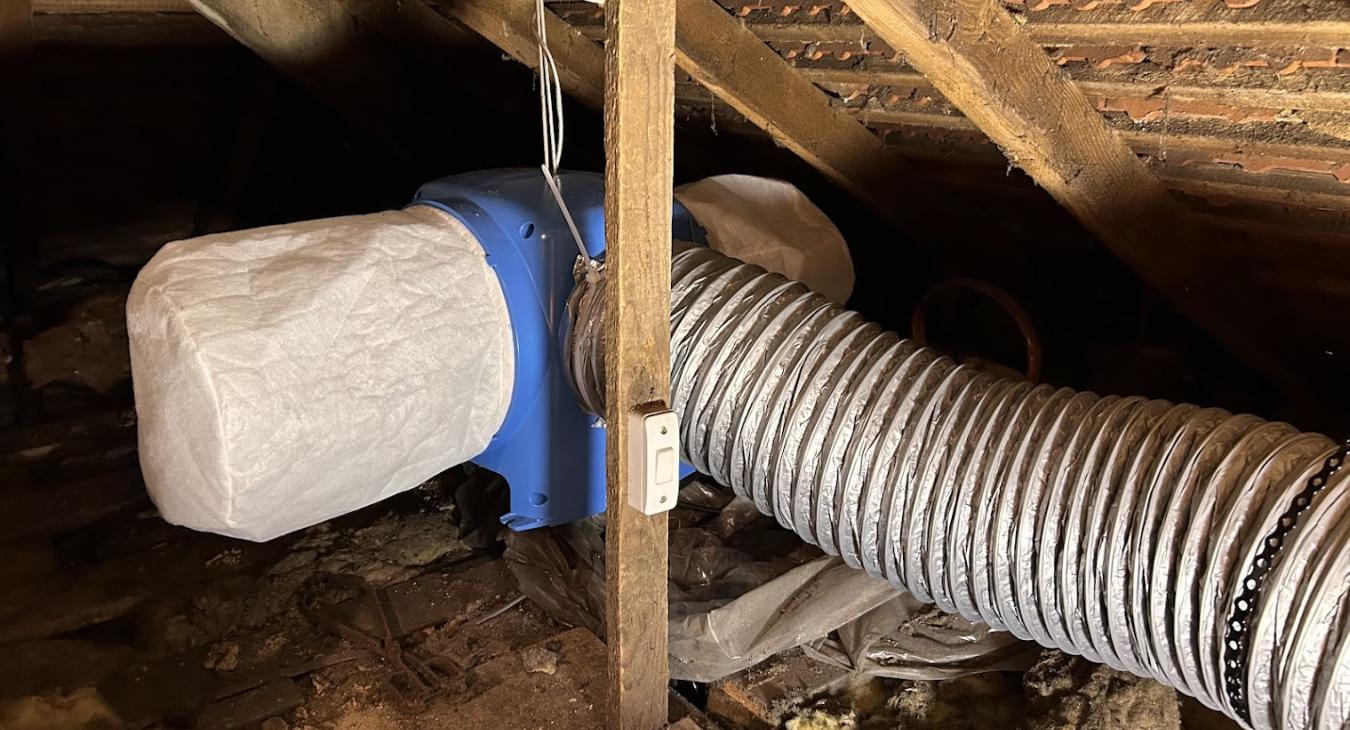
- A PIV pulls clean, filtered air from your loft space.
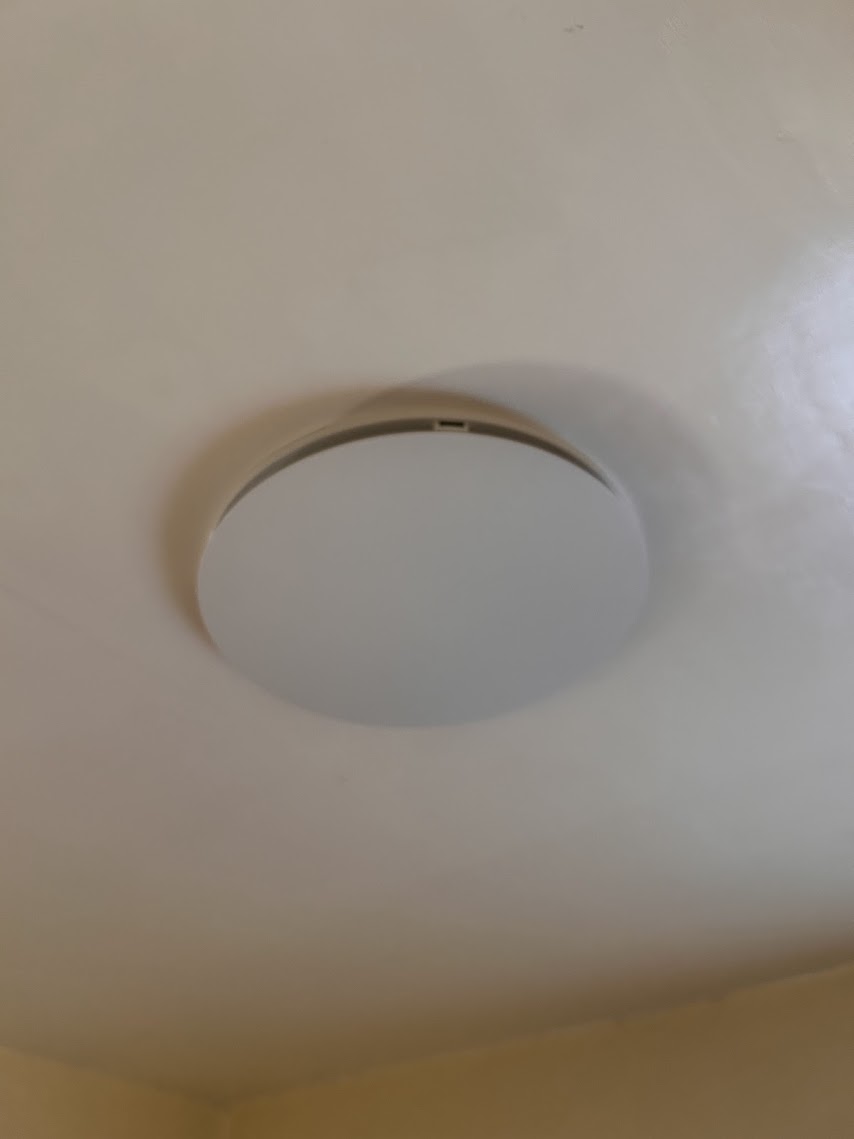
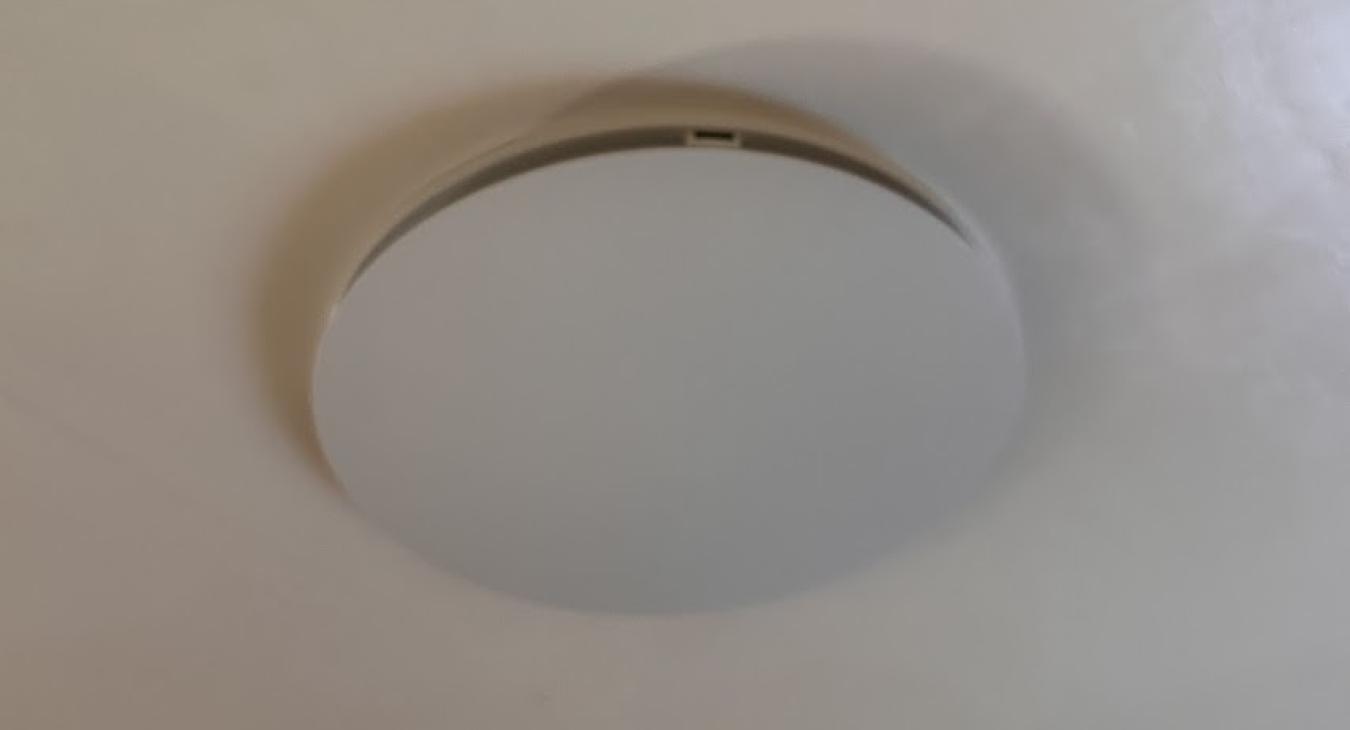
- It gently pushes that fresh air down into your landing.
- This incoming air slightly warms as it passes through the unit (there’s a small heater built in).
- The clean air then dilutes the moist, stale air in your home.
- The old moisture is pushed out naturally through trickle vents and small gaps around the house.
It’s a constant, gentle airflow that helps your home breathe. There’s no noise, no powerful blasts of air — just a quiet, steady supply of fresh filtered air that replaces damp, moisture‑laden air.
In this Birkenshaw property, the difference has been remarkable. The condensation problem has completely cleared, the home feels fresher, and the air quality is much healthier.
Back to top3) Installation Details
For this job, I made sure everything was set up with long‑term reliability and ease of maintenance in mind.
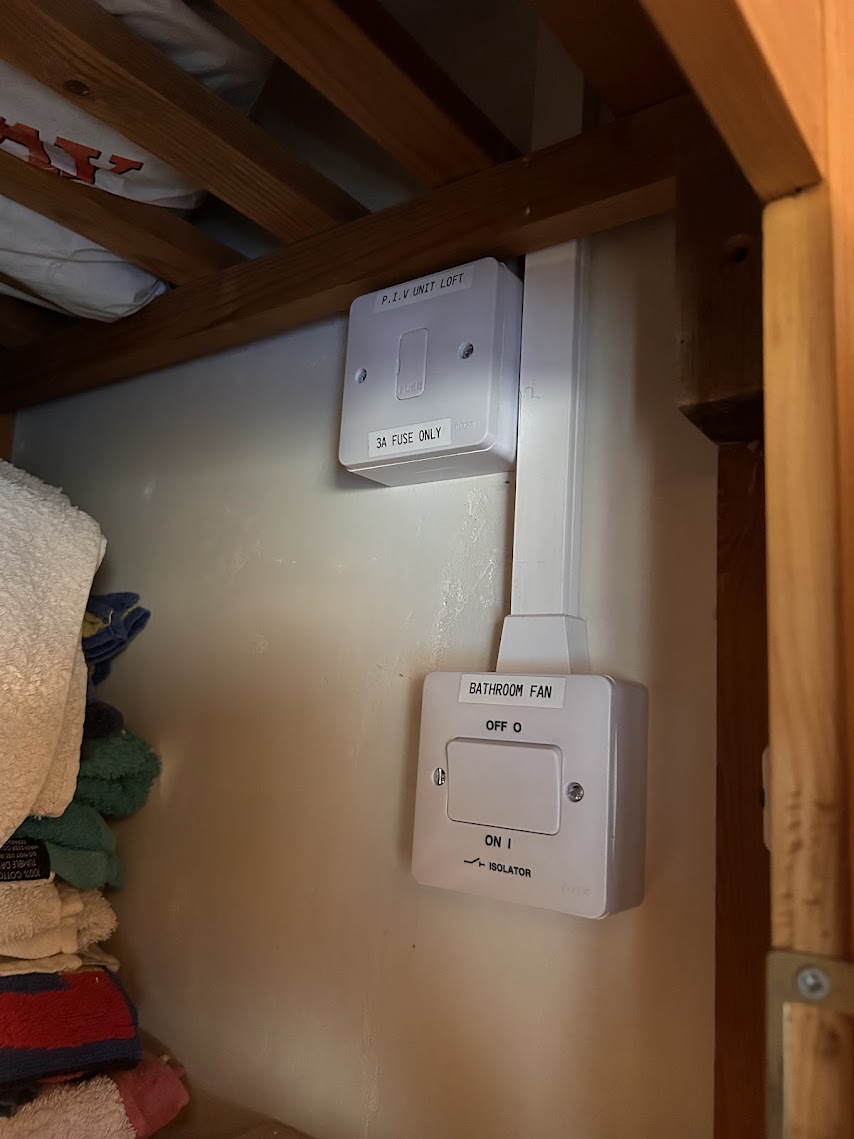
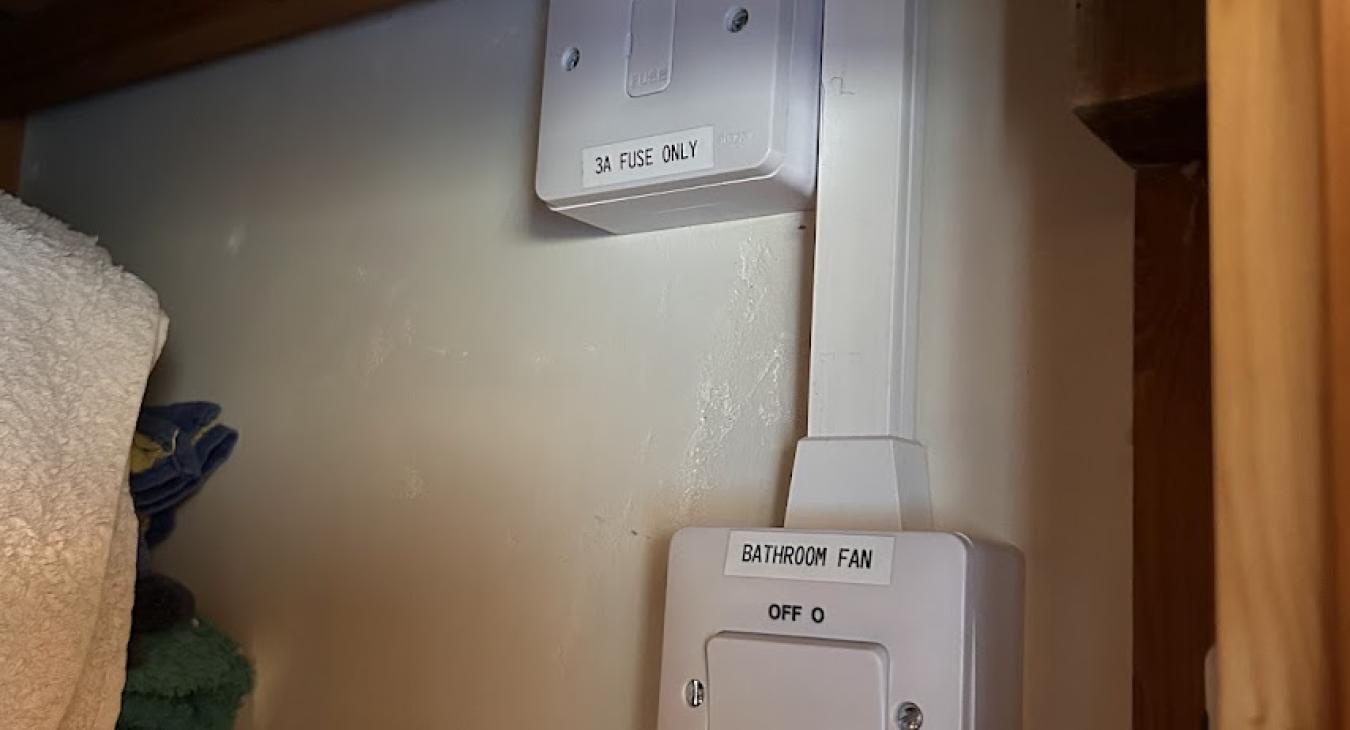
- The power supply for the PIV was fed from a local lighting circuit.
- The unit was installed in a position that’s easy for the homeowner to access for future servicing.
- Filters are simple to replace, and they typically only need changing every five years.
It’s a very low‑maintenance system for the amount of improvement it brings.
Back to top4) A Small Note Before Installing a PIV
One thing to keep in mind with PIV units is that they work by gently pushing air into your home via the landing — which means your heating system needs to warm that extra incoming air. For most homes it’s only a small increase, but it’s worth knowing before you decide to have one installed.
The trade‑off, however, is well worth it: better air quality, lower condensation, a healthier home environment, and protection against mould and moisture damage.
Back to top5) Final Thoughts
For this Birkenshaw home, the combination of better extraction and a PIV system has solved a long‑standing condensation problem that most people wouldn’t even think could affect their electrical system.
If you’re noticing condensation, mould spots, musty smells or even signs of moisture around sockets and switches, a PIV system could be exactly what your home needs.
If you’re in Birkenshaw or the surrounding areas, you can fill out the contact form and I’ll get back to you about installing a PIV unit in your home.
Back to top