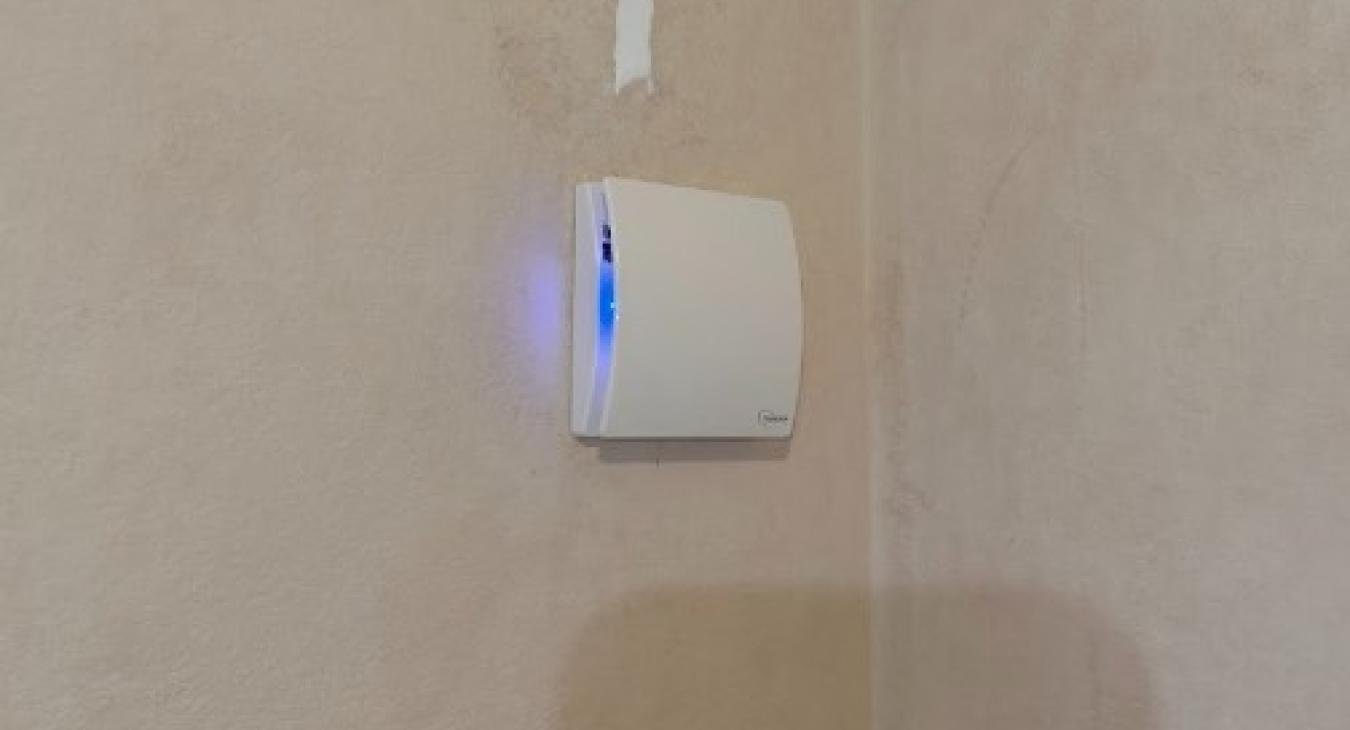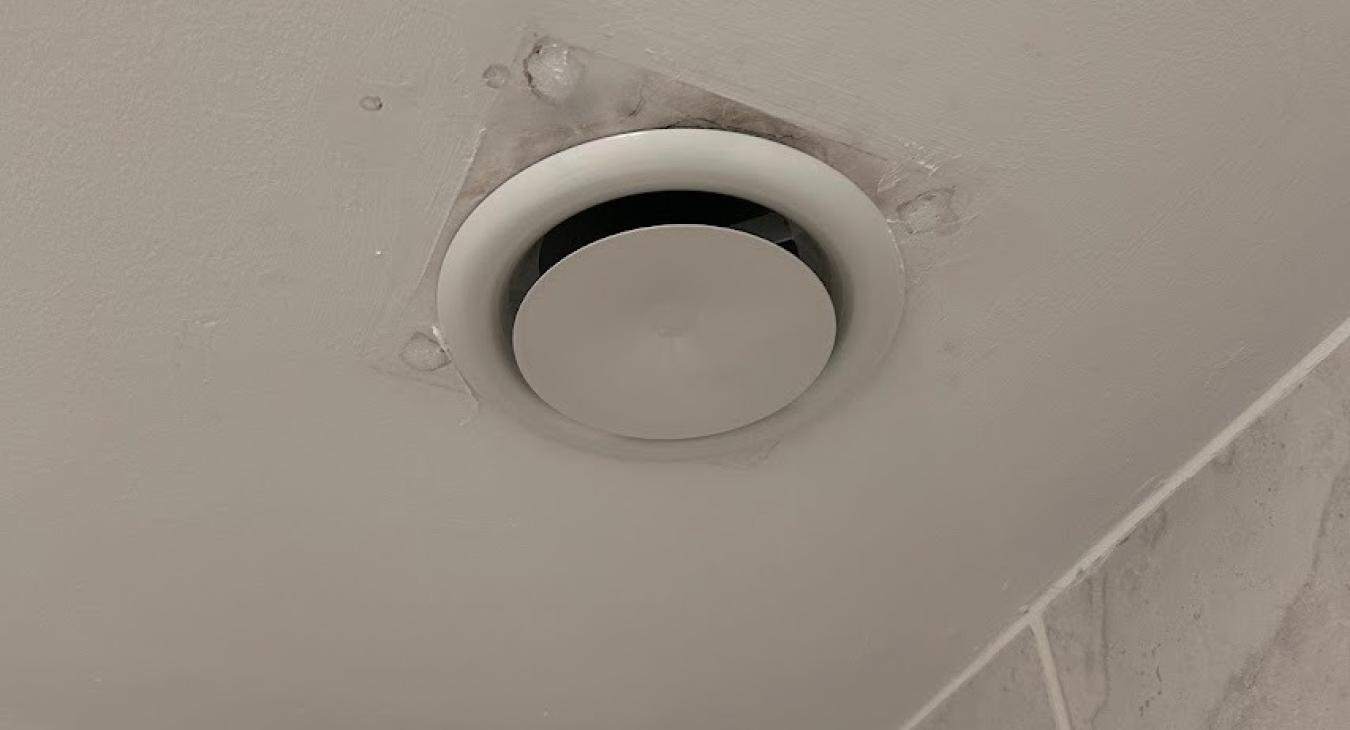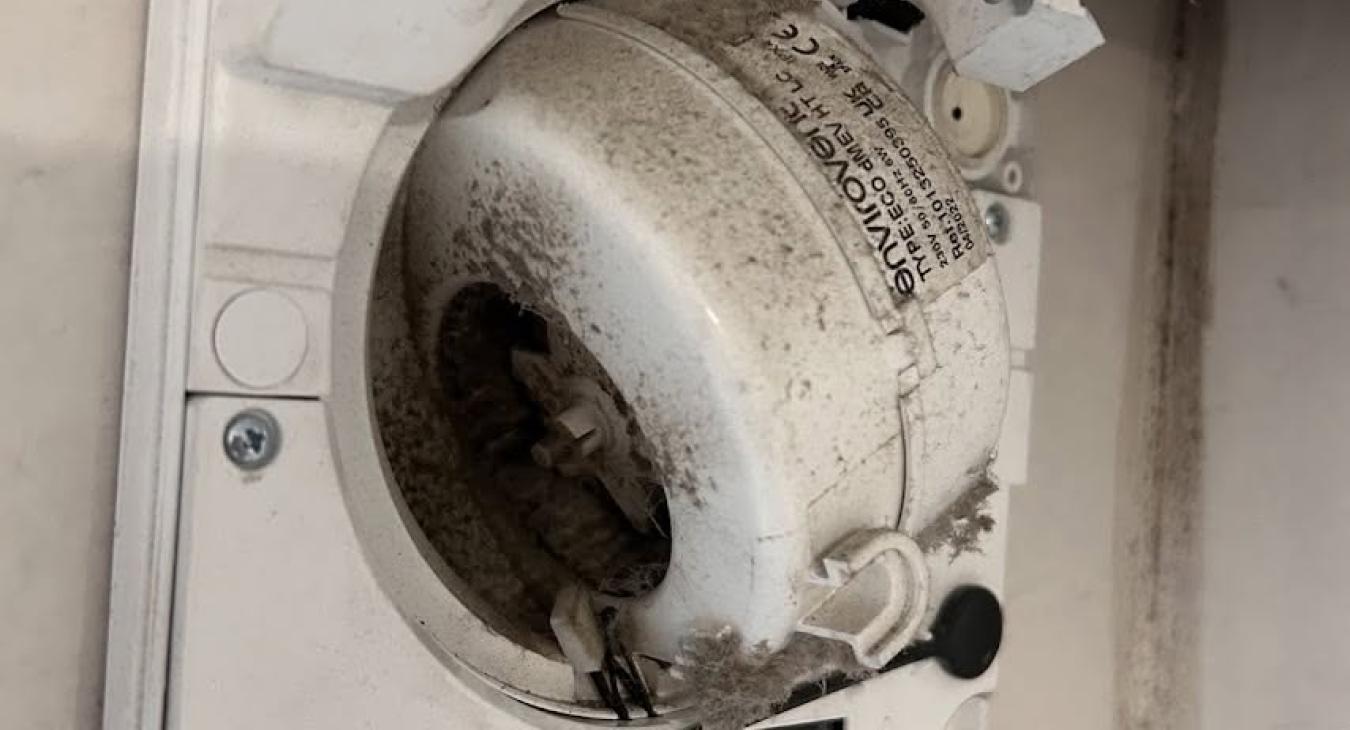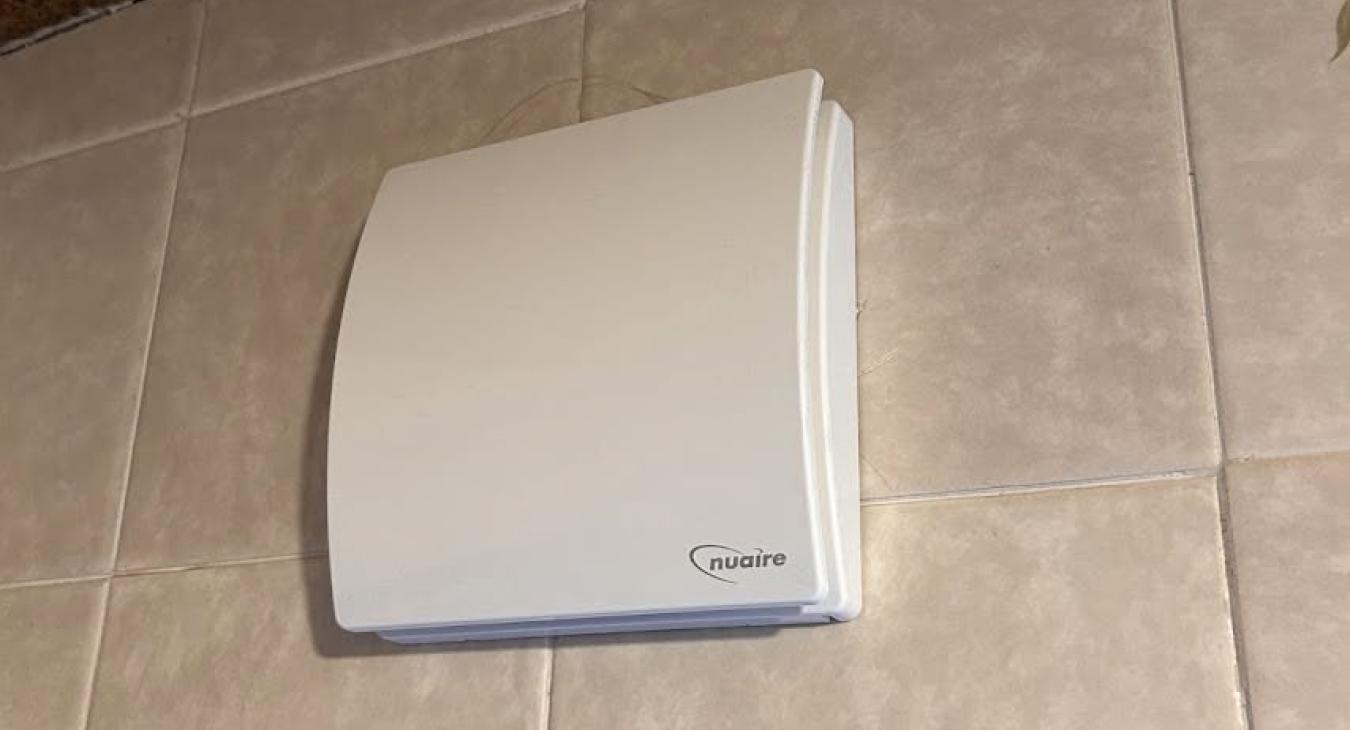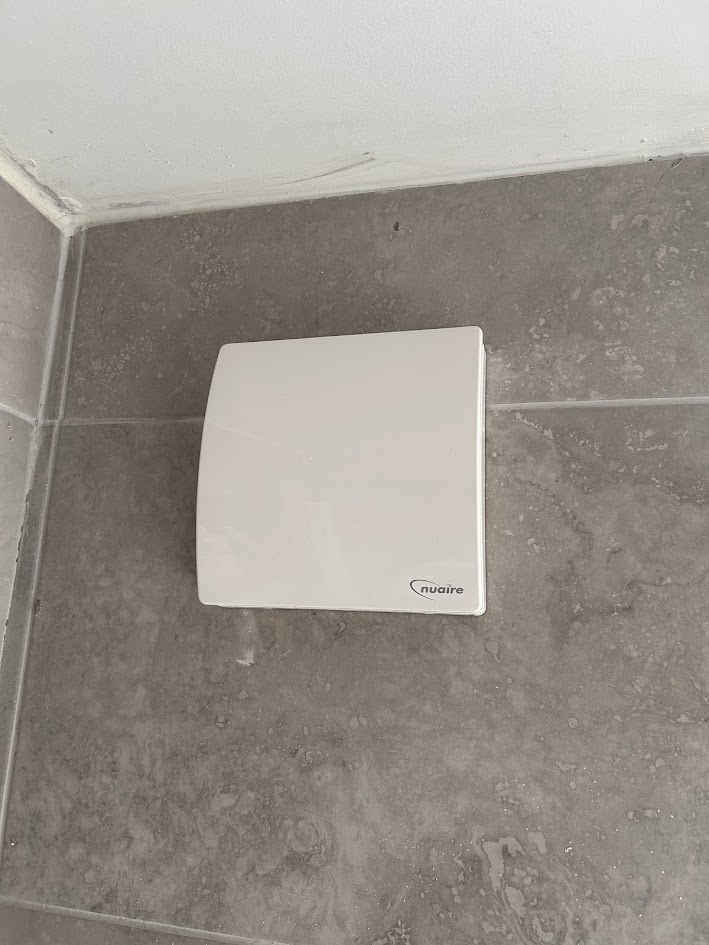


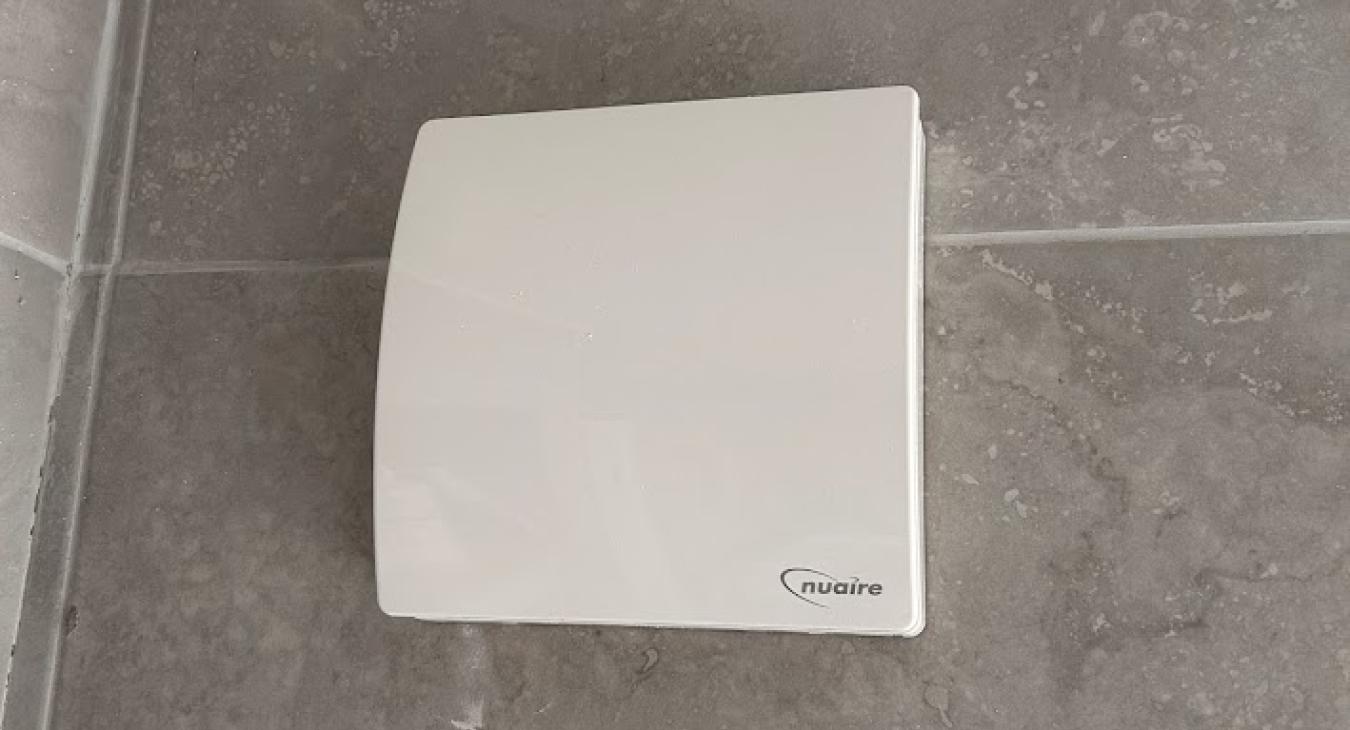
This is something I get asked a lot by homeowners across Bradford.
“The fan comes on, it makes a noise… but how do I know if it’s actually doing anything?”
It’s a fair question. Many extractor fans will still run and sound fine even when they’re hardly moving any air at all.
Before you call in your local electrician, there’s a very simple check you can do yourself at home. You don’t need any tools, you don’t need any test equipment, and you don’t need any technical knowledge.
It won’t give you figures or measurements, but it will give you a rough idea of whether your extractor fan is pulling air out of the room or doing very little at all.
Back to top1) Why extractor fans matter in the first place
Extractor fans are fitted to rooms like bathrooms, toilets and kitchens to remove moist air.
Every time you shower, cook or run hot water, moisture is released into the air. If that moist air isn’t removed, it settles on cold surfaces like walls, ceilings and windows.
Over time, this can lead to:
- Condensation on mirrors and windows
- Peeling paint or wallpaper
- Mould growth on ceilings and corners
A properly working extractor fan helps remove that moisture at source, which in turn helps reduce condensation and mould problems.
If the fan isn’t extracting properly, these issues often keep coming back, no matter how much you clean.
Back to top2) A simple check you can do yourself
Here’s an easy way to get a rough idea of whether your extractor fan is actually extracting air.
- Turn the extractor fan on - If it’s connected to the light, turn the light on.
- Take one piece of toilet tissue - A single normal sheet is fine.
- Hold the tissue up to the fan grille - Just hold it flat against the front of the fan. Don’t push it inside.
3) What are you looking for?
If the tissue is clearly pulled towards the fan and held in place, that’s a good sign the fan is moving air.
If the tissue barely moves, flaps about, or falls away, the fan is likely very weak or not extracting properly.
This simple check won’t tell you how powerful the fan is, but it does tell you whether it’s basically working or not.
Back to top4) What this check is useful for
Think of this as a rough guide, nothing more.
It’s useful because it:
- Gives you a quick idea of whether the fan is pulling air out of the room
- Helps explain in part why condensation or mould might still be appearing
- Gives you a clearer idea of what your next step might be
For example, if the tissue is pulled in firmly, the fan is at least doing something. If it won’t hold the tissue at all, that usually points to a problem worth looking into.
Back to top5) When professional testing makes sense
If you want to know exactly how well an extractor fan is performing, it needs to be tested with proper equipment that measures airflow.
That’s something a local extract fan specialist would do when checking whether a fan is suitable for the room or diagnosing ongoing condensation or mould issues.
This DIY check is simply a starting point. It helps you decide whether everything seems reasonable or whether it’s time to get it looked at properly.
Back to top6) Local advice from a Bradford electrician
As a local electrician working across Bradford, I regularly see extractor fans that sound fine but aren’t actually doing their job.
Start with the simple check above. It costs nothing, takes seconds, and gives you a rough idea of whether your fan is doing anything useful.
If the tissue won’t hold at all, or if the fan appears to be working but you’re still getting steam, condensation or mould, that’s usually a sign something isn’t right.
At that point, it makes sense to get it checked properly.
If you’d like help, fill in the contact form and I will get back to you with help on the next steps.
Back to top