

I get asked this question a lot by homeowners across Bradford and the surrounding areas who are dealing with condensation or mould in a bathroom or en‑suite, especially where there’s no window.
Someone will usually say, “I’ve been looking at a dehumidifier for the bathroom – would that help?”
It’s a fair question. A dehumidifier sounds like a simple fix. But in real homes, and in real bathrooms, it’s usually not the best or safest long‑term answer.
Back to top1) A Common Setup I See in Real Homes
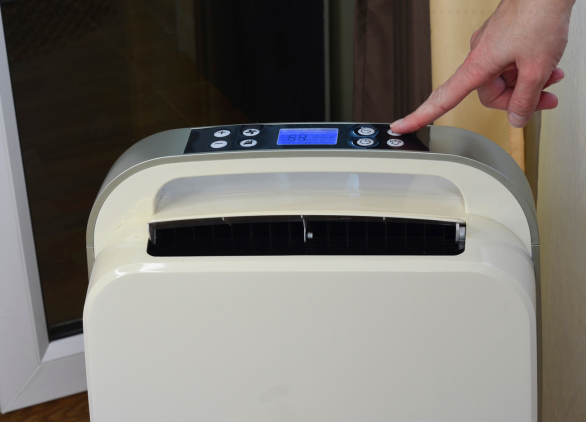
When I’m called out to look at mould or damp problems in homes around Bradford, I often see a dehumidifier being used in the bathroom or en‑suite. Most of the time it’s plugged into a socket outside the room, with an extension lead running through the doorway.
That causes a few practical issues straight away. The bathroom door can’t close properly because the cable is in the way. When the door is left open, steam from showers escapes into the hallway and nearby rooms instead of being dealt with in the bathroom itself.
So rather than solving the condensation problem, it can actually spread warm, wet air around the house. I’ve seen plenty of cases where mould then starts appearing outside the bathroom as well.
Back to top2) Is Using a Dehumidifier in a Bathroom Safe?
Bathrooms aren’t just damp rooms – they’re wet rooms. There’s steam from showers, splashes from sinks and baths, and often water on nearby surfaces or the floor.
Because of this, electrics in bathrooms are treated very differently to other rooms. Standard plug sockets are not allowed within 2.5 metres of a bath or shower, which is why you don’t usually see plug sockets installed in bathrooms at all.
When a dehumidifier is used, it’s normally powered from outside the room using an extension lead. That means a plug‑in electrical appliance is being used in a wet environment, often close to steam and water.
People do this with good intentions, trying to fix a condensation problem. But from a safety point of view, it’s generally not recommended, and it’s one of the reasons plug‑in solutions aren’t ideal for bathrooms and en‑suites.
Back to top3) Do Dehumidifiers Actually Work in Bathrooms?
A dehumidifier will remove moisture from the air, so yes, it does work to a point. The problem is how it works and how effective it is in a bathroom.
A dehumidifier removes moisture slowly over time. During and after a shower, steam still fills the room first. That means condensation can still form on walls, ceilings, tiles and around windows before the dehumidifier has much effect.
In simple terms, it’s always playing catch‑up. It can reduce overall humidity, but it won’t stop condensation forming in the first place. That’s why mould often still appears, even when a dehumidifier is being used.
There’s also the cost. To make a real difference, a dehumidifier usually needs to run for long periods each day. Compared to a bathroom extractor fan, a dehumidifier can use around 30 times more electricity.
An extractor fan is designed to run efficiently and at a much lower power consumption. A dehumidifier is a much heavier electrical load running for far longer, which is why it can become expensive over time.
On top of that, there are the everyday downsides:
- Ongoing running costs
- Noise in a small space
- Regular emptying of the water tank
- A large box taking up space in the bathroom or en‑suite
For many households, it ends up being switched off, moved out of the way, or forgotten about – and the original problem quickly returns.
Back to top4) Why an Extractor Fan Is the Better Option
A bathroom extractor fan works in a completely different way. It doesn’t try to dry the air after the fact. Instead, it removes steam as it’s being created.
When a bathroom or en‑suite fan is correctly sized and properly installed, it:
- Clears steam during and after showers
- Stops condensation forming in the first place
- Helps prevent mould on walls and ceilings
- Runs quietly in the background
- Doesn’t take up any space in the room
Once it’s installed, it just does its job automatically. There are no cables, no water tanks to empty, and no need to leave doors open to make it work.
Back to top5) My Honest Advice
If you’re dealing with condensation or mould in a bathroom or en‑suite, a dehumidifier might help in the very short term, but it’s usually a workaround rather than a proper fix.
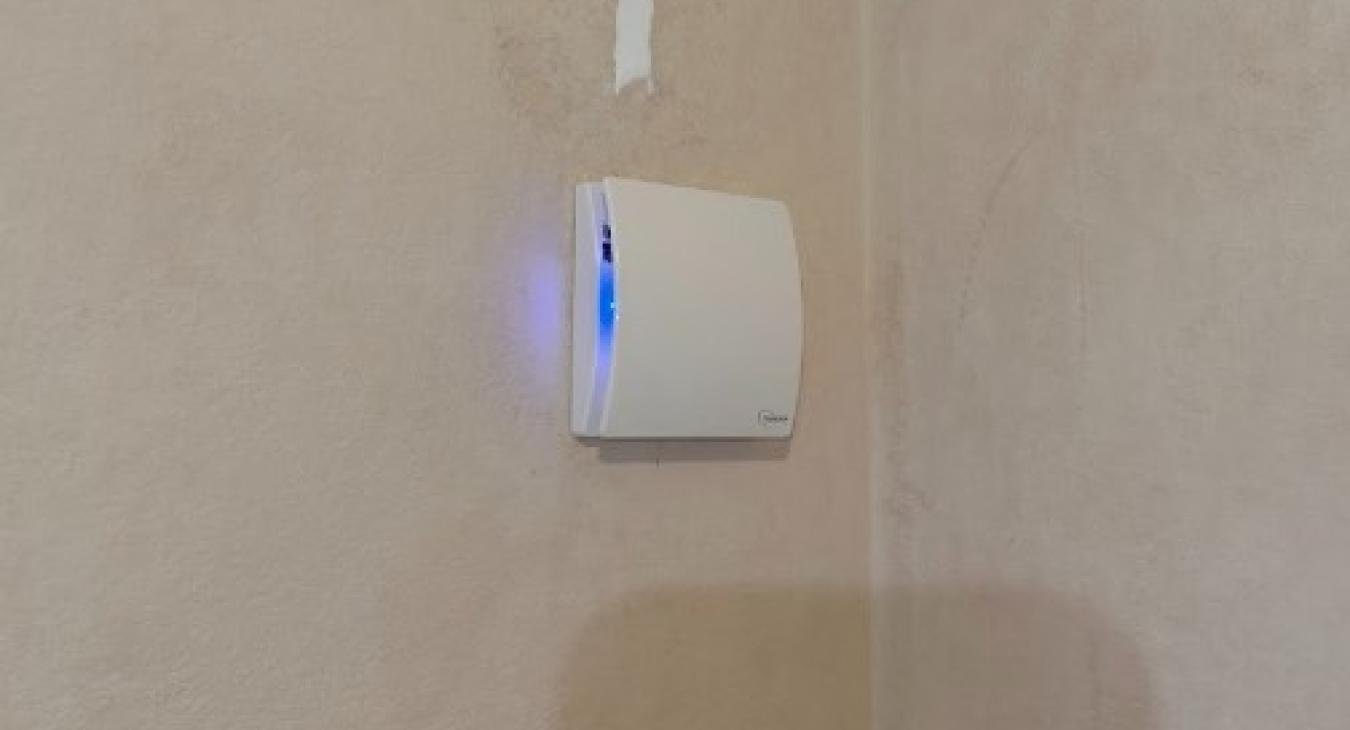
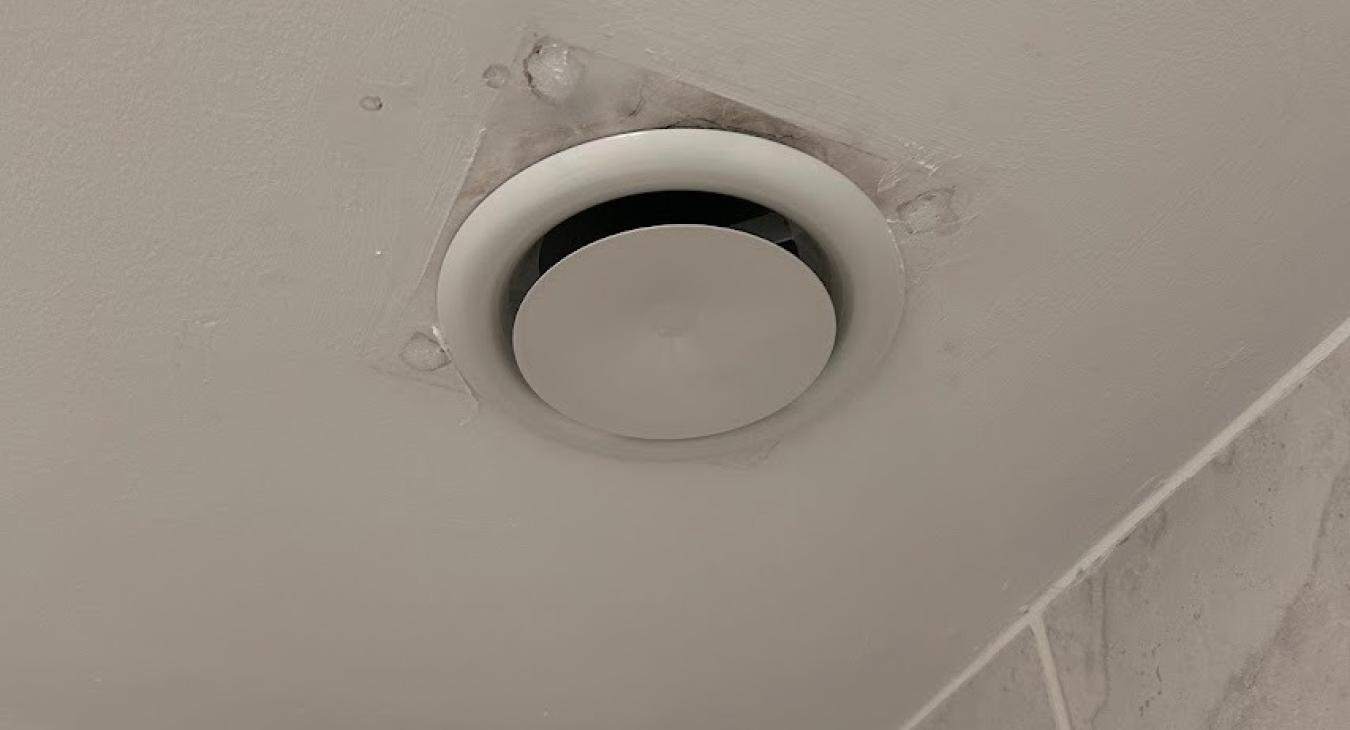
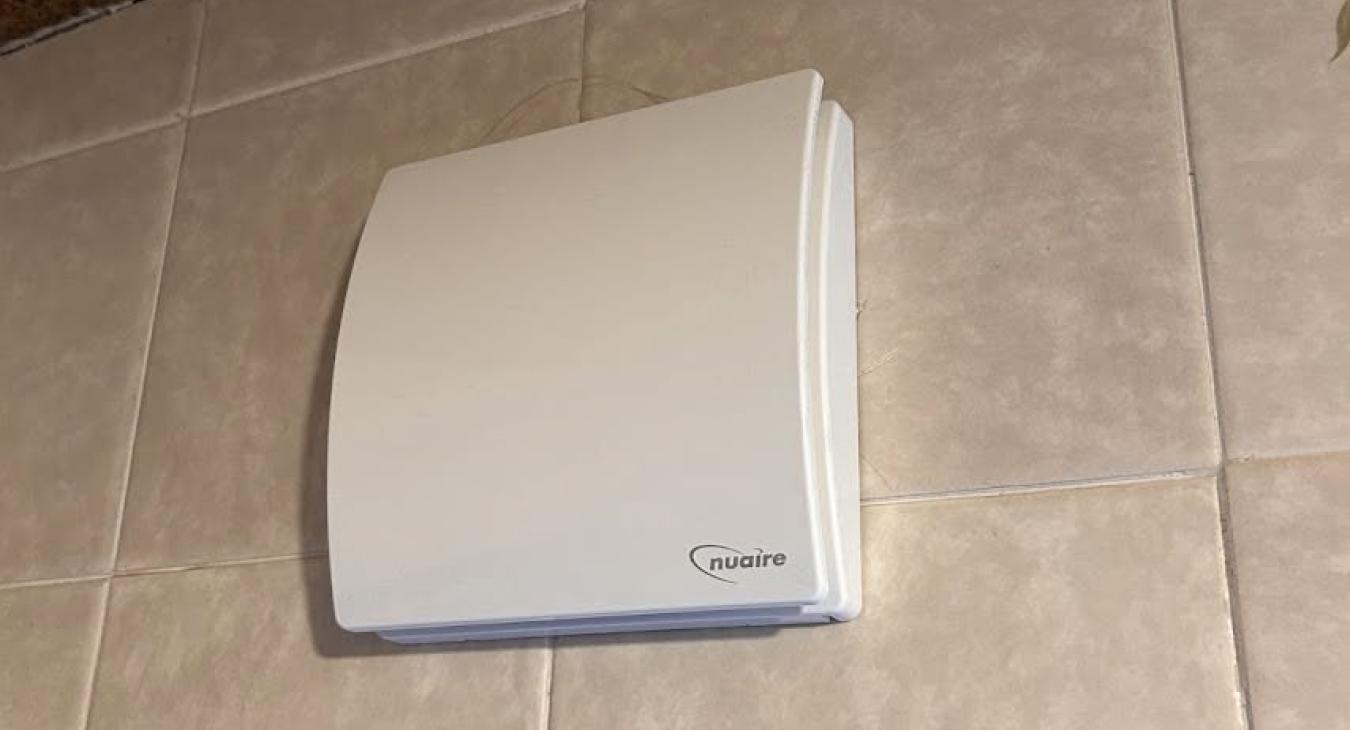
In most homes around Bradford, especially bathrooms with no windows, the long‑term solution is good ventilation. A well‑installed extractor fan will deal with steam properly, reduce condensation, and remove the need for a dehumidifier altogether.
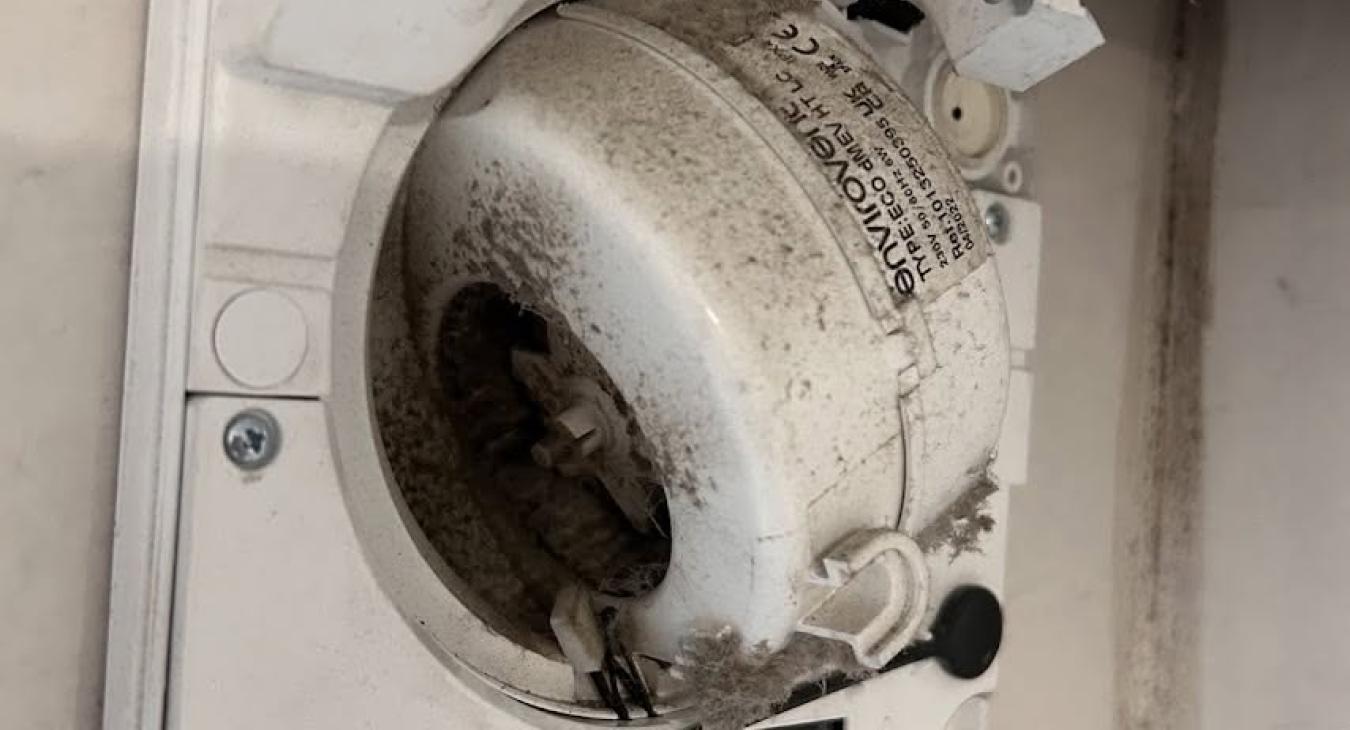
If you’re not sure what’s best for your home, or your bathroom fan isn’t doing what it should, you can fill out the enquiry form on the website. I’m always happy to give honest, straightforward advice and help you find a solution that actually works.
Back to top