
Table of Contents
- Bathroom Extractor Fan Installation in Bradford – Why Real Life Doesn't Always Follow the Textbook
- Every Property Has Its Own Challenges
- Why Flexible Ducting Sometimes Gets a Bad Reputation
- The Difference Between Good and Bad Flexible Ducting
- Sometimes You Have to Be Practical
- Ventilation Is About the Whole System
- What Homeowners Should Look For
- The Finished Result
1) Bathroom Extractor Fan Installation in Bradford – Why Real Life Doesn't Always Follow the Textbook
One of the things I enjoy about installing extractor fans is that no two jobs are ever quite the same.
On paper, ventilation systems look straightforward.
You install the fan, run the ducting in the shortest possible route, minimise bends and send the moist air outside.
Simple.
Unfortunately, houses don't read textbooks.
Back to top2) Every Property Has Its Own Challenges
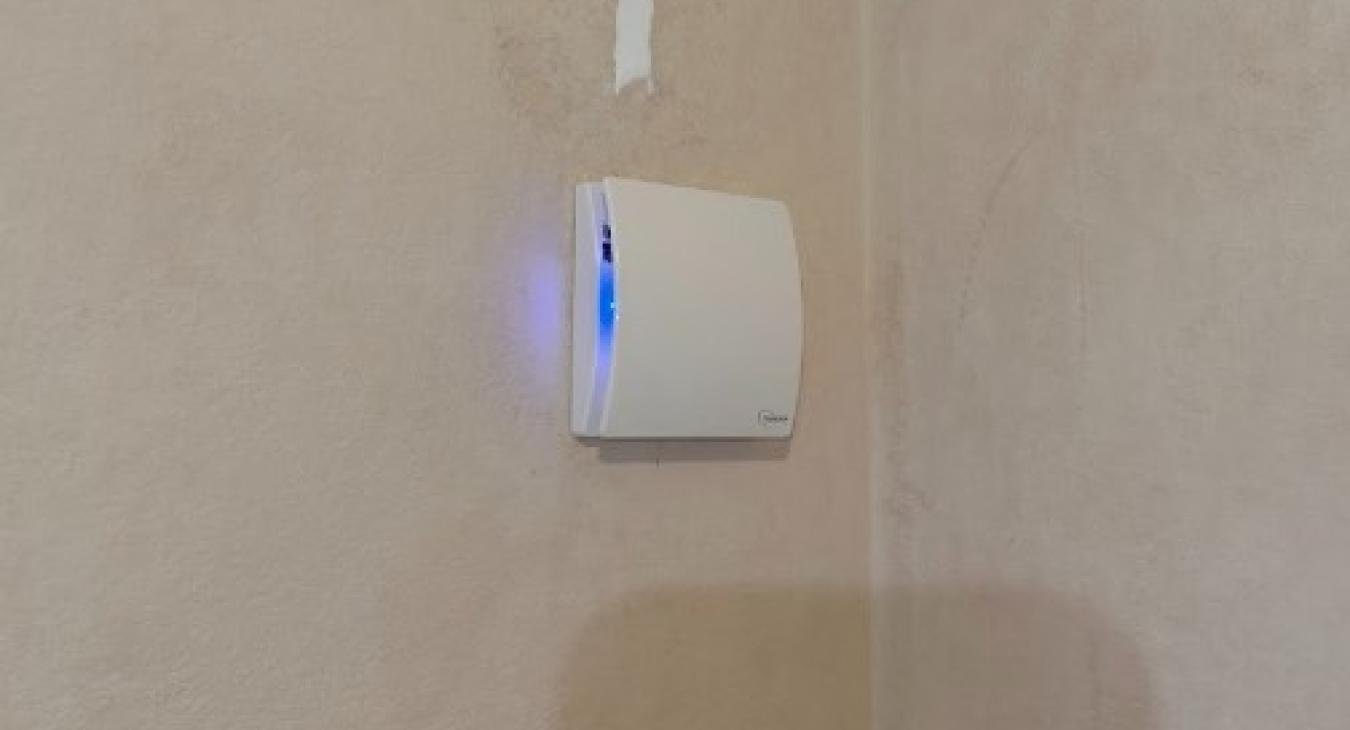
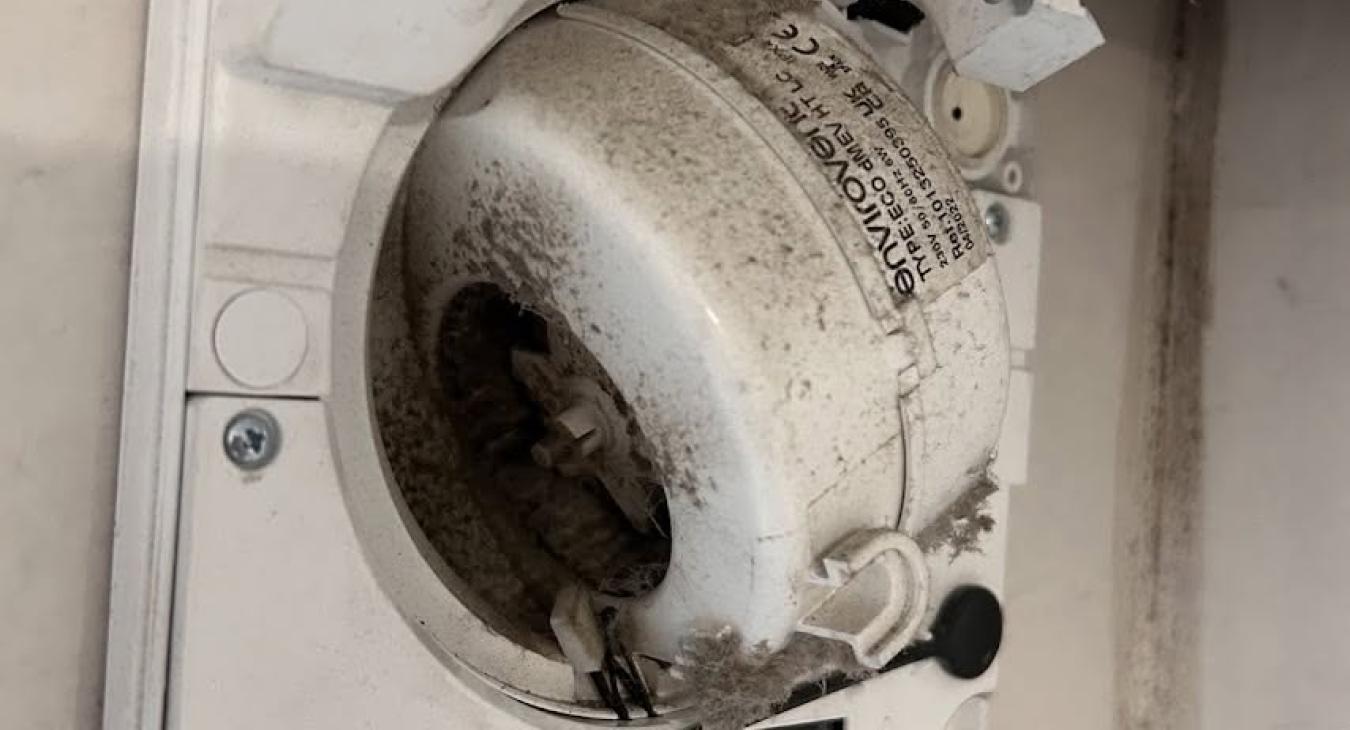
I was recently carrying out a bathroom extractor fan installation at a property near Bradford where the existing ventilation system needed completely replacing.
The old setup had reached the end of its life and the homeowners wanted a more reliable solution to help deal with moisture and condensation in the bathroom.
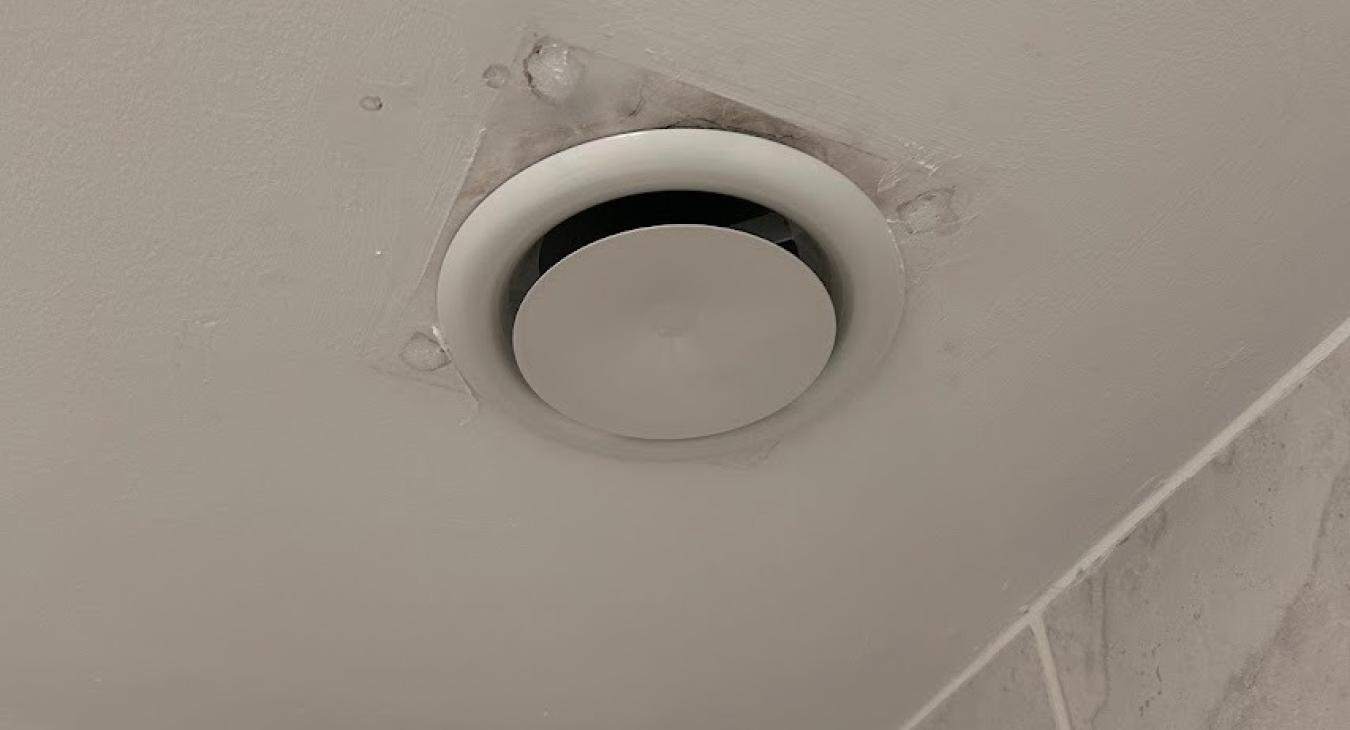
As with many older properties, the existing vent outlet was already installed through the soffit.
That sounds simple enough until you get into the loft and discover roof timbers, awkward angles, limited access and a vent location that doesn't line up neatly with the new fan position.
Suddenly that perfectly straight duct run shown in the manufacturer's handbook becomes impossible.
Back to top3) Why Flexible Ducting Sometimes Gets a Bad Reputation
If you've spent any time researching extractor fans online, you've probably seen advice recommending rigid ducting wherever possible.
Generally speaking, I agree.
Solid ducting offers less resistance to airflow and usually delivers the best performance.
The problem is that real homes rarely provide a perfectly straight path between the bathroom ceiling and the external vent.
Sometimes you need to work around:
- Roof structures
- Existing soffit vents
- Loft access restrictions
- Pipework
- Water tanks
- Electrical cables
- Existing building features
When that happens, flexible ducting often becomes the most practical solution.
Back to top4) The Difference Between Good and Bad Flexible Ducting
Flexible ducting itself isn't the problem.
Poor installation is.
I regularly come across extractor fan ducting that has been:
- Crushed flat
- Twisted repeatedly
- Left hanging unsupported
- Installed with sharp bends
- Trapped under loft insulation
All of these things restrict airflow.
The fan has to work harder and the amount of moisture being removed from the bathroom drops significantly.
This often leads homeowners to believe the fan has failed when in reality the ducting is causing the problem.
Back to top5) Sometimes You Have to Be Practical
On this particular installation, there was simply no realistic way to connect the new bathroom extractor fan to the existing soffit vent using rigid pipework alone.
The angles involved made it impossible.
Rather than forcing a poor rigid duct installation, we used carefully positioned flexible ducting to create a smooth route to the external vent.
The key is using only what is necessary and keeping the airflow path as clean as possible.
That means:
- Keeping duct runs as short as practical
- Avoiding unnecessary bends
- Supporting the ducting correctly
- Preventing kinks and twists
- Using insulated ducting where appropriate
- Making sure the pipework remains fully open
Done correctly, flexible ducting can perform perfectly well in situations where rigid ducting simply won't fit.
Back to top6) Ventilation Is About the Whole System
One mistake I often see is people focusing entirely on the fan itself.
The fan is only one part of the ventilation system.
You can install a high performance extractor fan, but if the ducting is poorly designed the results will still be disappointing.
Good bathroom ventilation relies on several components working together:
- The extractor fan
- The ducting
- The external grille
- The installation method
- The airflow design
Get one of those wrong and performance suffers.
Back to top7) What Homeowners Should Look For
If you're having a bathroom extractor fan installed, don't just ask what fan is being fitted.
Ask how the ducting will be installed as well.
A quality installation should consider:
- Airflow efficiency
- Future maintenance
- Condensation prevention
- Accessibility
- Vent location
- Duct support and routing
These details often make more difference than the fan itself.
Back to top8) The Finished Result
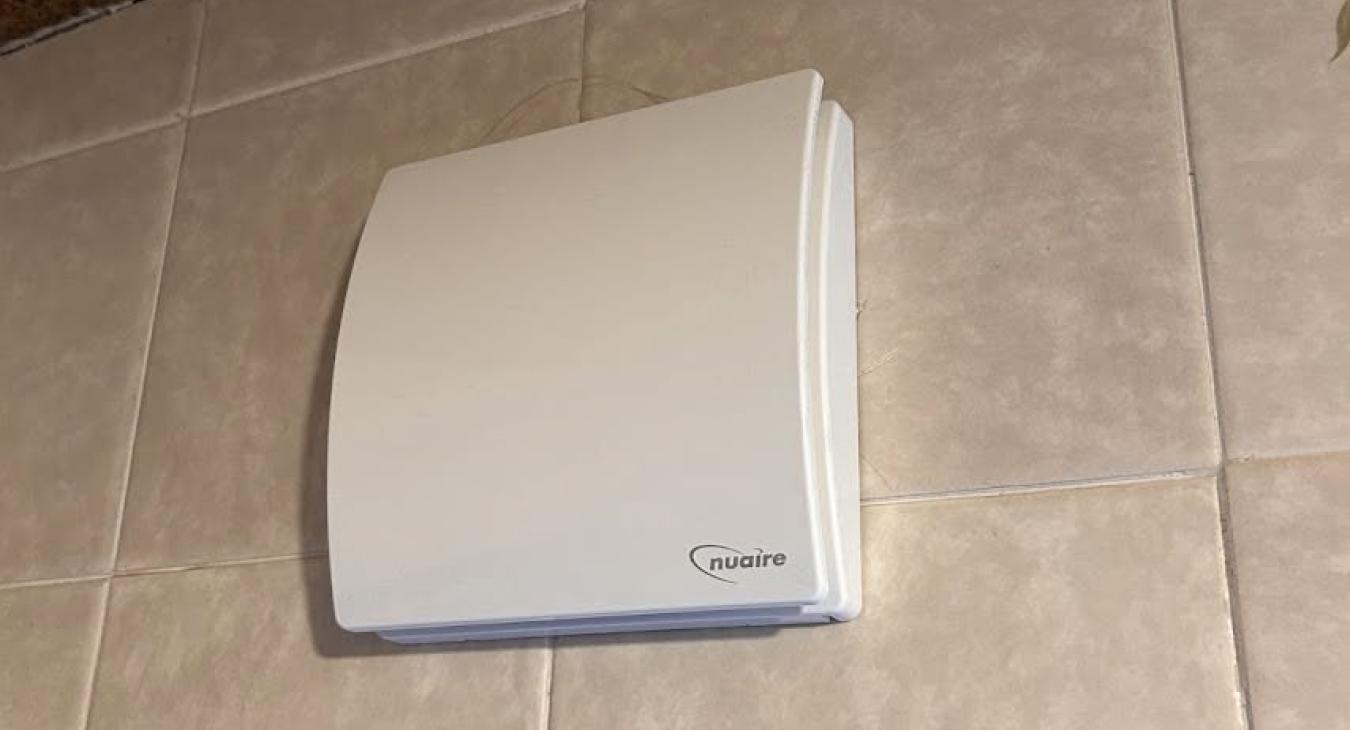
Once the new system was installed, tested and commissioned, the airflow was dramatically improved.
The new ducting route provided a clear path for moist air to leave the property, helping to reduce condensation and improve indoor air quality.
More importantly, the installation was designed around the property itself rather than trying to force a textbook solution where one simply wasn't possible.
Sometimes the best installation isn't the one that looks perfect in a handbook.
It's the one that works properly in the real world.
If you're looking for a bathroom extractor fan installer in Bradford, Cleckheaton, Birstall, Morley, Pudsey or the surrounding areas and would like honest advice on improving ventilation in your home, feel free to get in touch.
Your Local Electrician and Extract Fan Specialist in Bradford
Back to top