


Some mould problems aren’t small.
This particular homeowner had lived in their Bradford property for over 20 years. For most of that time, they had simply accepted condensation and mould as part of living there.
Every morning there was water on the windows.
The bathroom ceiling needed regular treatment.
Musty smells lingered no matter how often it was cleaned.
In winter, windows were left open in an attempt to “air the place out” — which only made the house freezing cold.
They wiped down tiles daily.
They repainted ceilings.
They used anti-mould products.
Nothing solved it properly.
Back to top1) The Turning Point
I was initially called to carry out an electrical safety inspection.
During the inspection, we discovered something more serious.
Long-term condensation had been settling inside socket back boxes around the property. Over time, this had caused corrosion and rusting within the electrical fittings — enough to create faults on the circuits.
This wasn’t just a cosmetic mould issue anymore.
It was a whole-house ventilation problem.
Back to top2) What Was Actually Happening
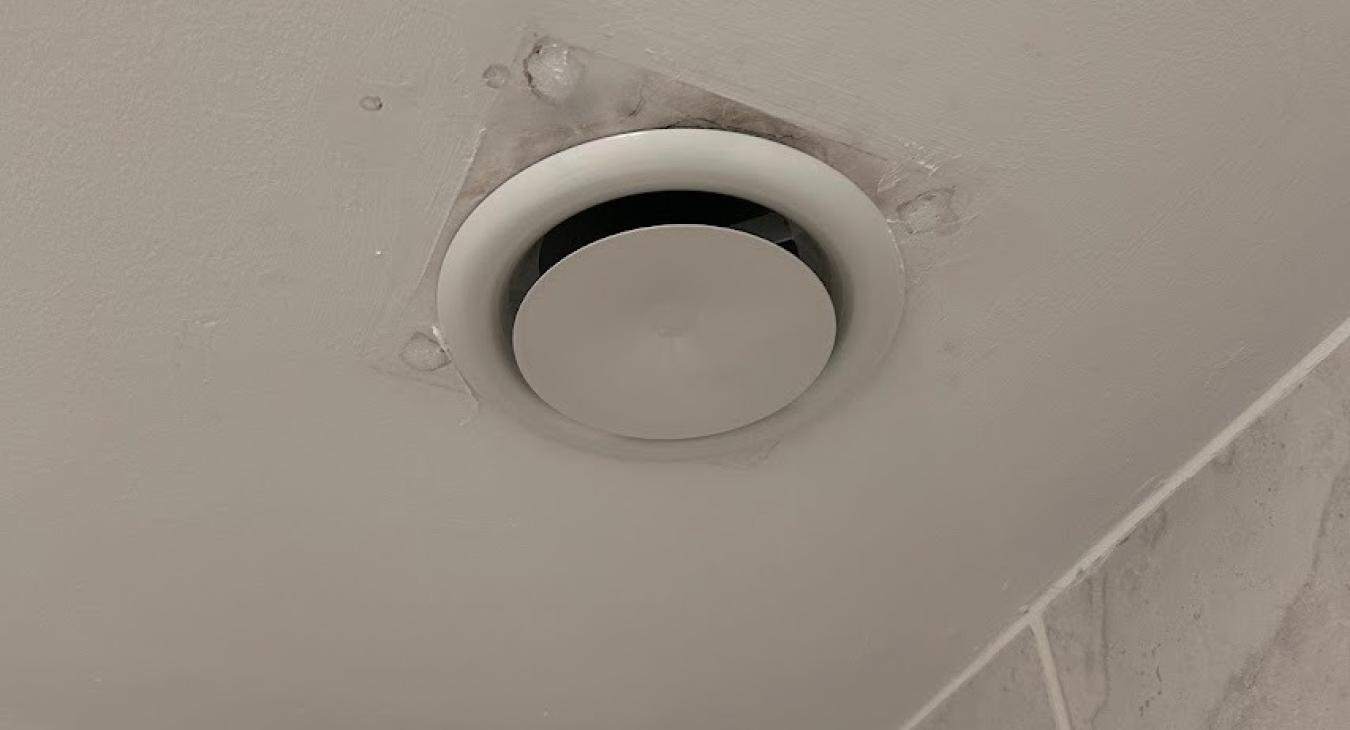
The bathroom had no effective extraction system.
Moist air from showers was spreading through the house instead of being removed. With no controlled airflow, humidity built up day after day.
Warm damp air was:
- Settling on ceilings
- Collecting on windows
- Feeding mould growth
- Creating stale, heavy air throughout the property
The house wasn’t “damp” in the structural sense.
It simply wasn’t ventilated properly.
Back to top3) The Solution: Fix the Airflow, Not the Symptoms
Over the course of two days, we installed a proper ventilation system designed to work as a whole.
This included:
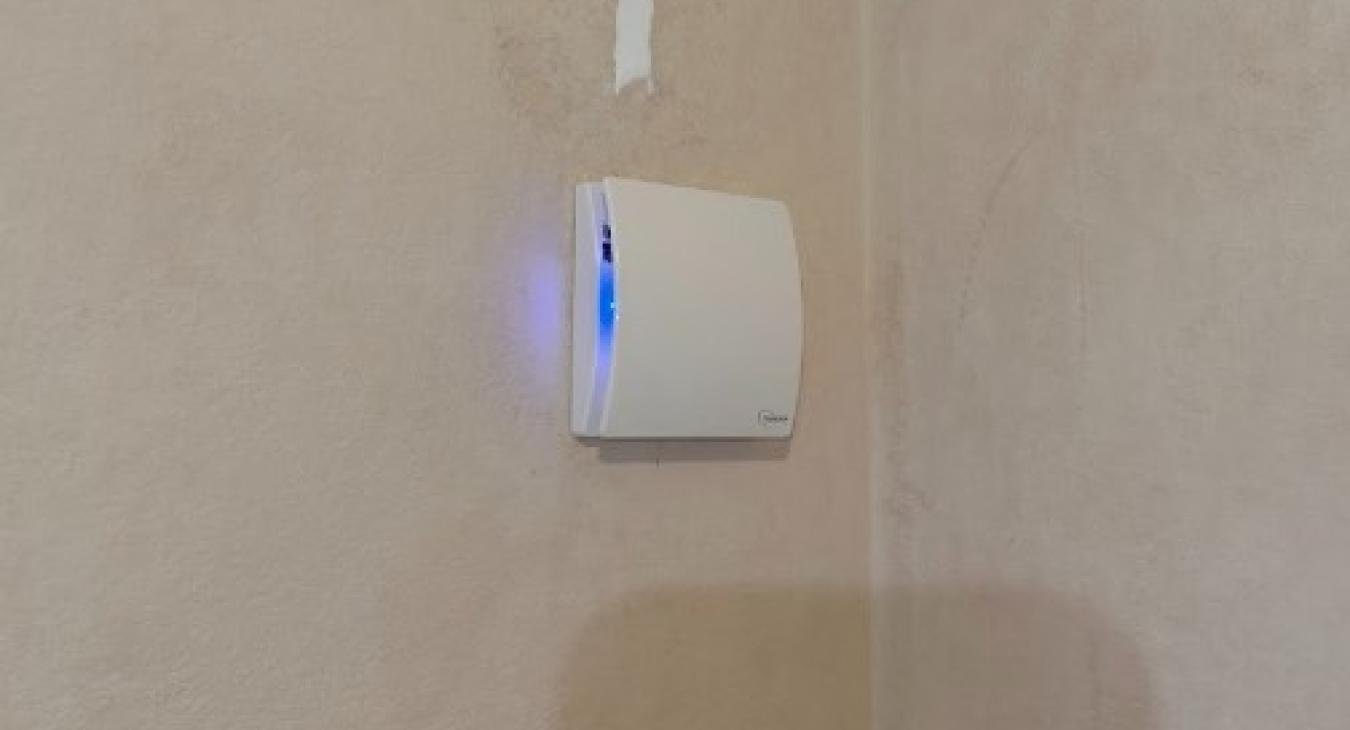
- A Positive Input Ventilation (PIV) unit installed in the hallway
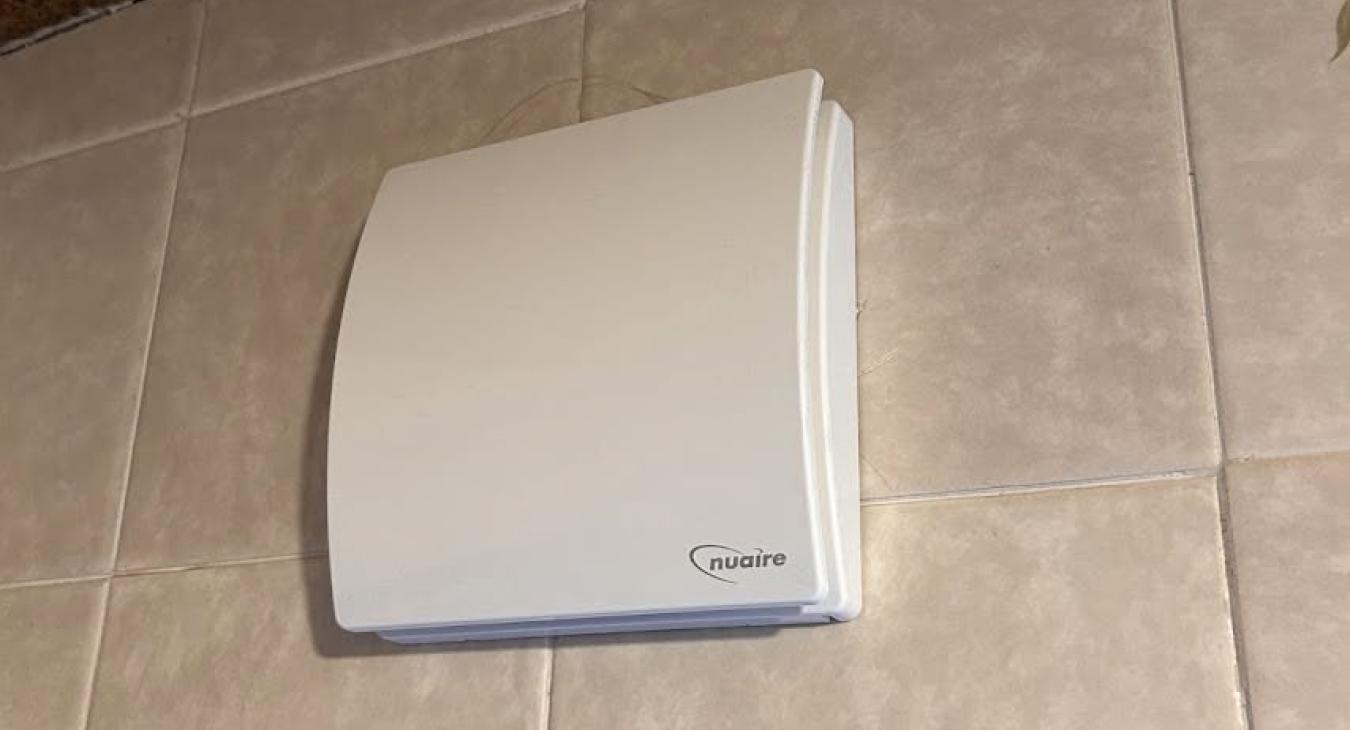
- A correctly specified extractor fan installed in the bathroom
- Ensuring controlled airflow throughout the property
A PIV unit gently introduces fresh, filtered air into the home at a steady rate. The bathroom extractor then draws that air through and removes stale, moisture-laden air outside.
Instead of relying on open windows or random gaps in the building, the property now had controlled, consistent ventilation.
Back to top4) The Results
The difference was fast.
Within 48 hours:
- The musty smells had gone
- Condensation stopped forming on the windows
- Humidity levels dropped to normal
- The air felt noticeably fresher
The homeowner said the house felt completely different — lighter, cleaner and easier to breathe in.
And importantly, the mould has not returned.
Now that the system is in place, the only maintenance required is simple.
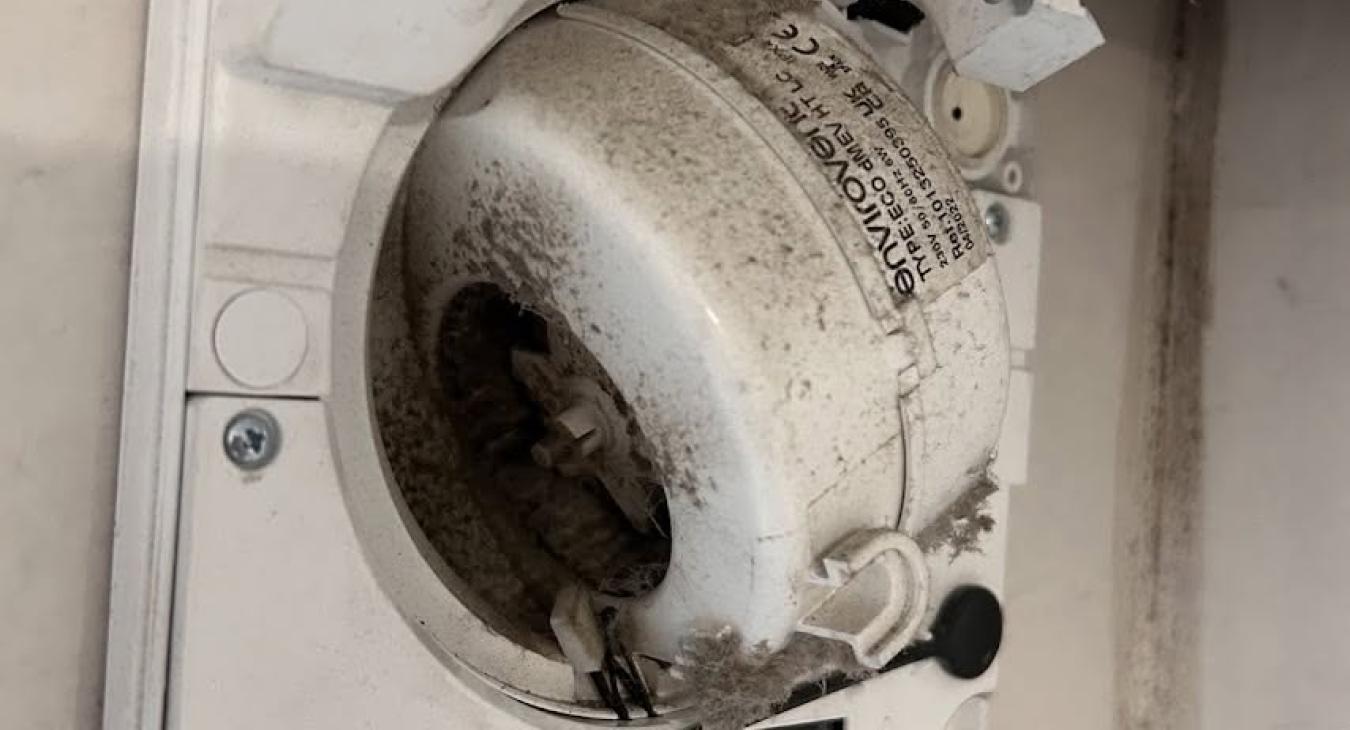
The extractor fan just needs a quick clean every 6–12 months — which usually takes around five minutes.
The PIV unit filters typically need replacing around every five years to keep the airflow clean and effective.
With that basic maintenance, the system continues to control humidity properly and prevent the conditions that allow mould to return.
Back to top5) What This Means for Other Homes in Bradford
Many properties across Bradford and surrounding areas experience similar issues — especially older homes without proper mechanical ventilation.
Mould and condensation are rarely just cleaning problems.
They are usually airflow problems.
Once airflow is corrected, the environment that allows mould to grow disappears.
If you’re dealing with ongoing condensation, mould on ceilings, or constant musty smells, the first step is understanding what’s actually causing it in your home.
I’ve created a simple 7-minute checklist to help you do exactly that.
Fill in the form below and I’ll send it straight to your email.
Back to top